
Probiotics are live microorganisms that, when taken in sufficient amounts, can support a balanced gut environment. They help maintain the natural flora in your digestive system, which plays a key role in overall well-being. Garden of Life stands out in this space with its lineup of supplements crafted from whole-food sources. These products aim to nurture digestive balance, bolster defenses against everyday stressors, and promote regularity without relying on synthetic additives.
Founded on the idea that health starts in the gut, the brand emphasizes diverse strains of beneficial bacteria, often paired with prebiotic fibers to feed them. Options range from daily maintenance formulas to targeted blends for specific needs, like women’s intimate health or high-potency recovery after antibiotics. Users often report smoother digestion and fewer discomforts after consistent use. But do they truly make a difference? This guide dives into real feedback, scientific insights, and practical advice to help you decide if these supplements fit your routine. Whether you’re dealing with occasional bloating or seeking long-term support, understanding the evidence behind Garden of Life can guide smarter choices for your body.
In a world where gut issues affect millions, these probiotics offer a natural approach backed by third-party testing for purity. Yet, results vary by individual factors like diet and lifestyle. Let’s break it down step by step.
What Are Garden of Life Probiotics and How Do They Differ from Other Brands?
Garden of Life probiotics are whole-food-based supplements packed with live cultures designed to thrive in the gut. Unlike many generic options that use isolated lab-grown strains, these draw from organic sources like fermented veggies and soils, mimicking what you’d get from nature. This approach keeps the bacteria robust and diverse—think 16 to 32 strains per dose, with colony-forming units (CFUs) ranging from 30 billion for everyday use to 100 billion for intensive care.
What sets them apart? Shelf stability in most formulas means no fridge hassle, thanks to protective coatings that shield against stomach acid. They’re also free from common irritants like dairy, soy, and gluten, earning nods from sensitive users. Prebiotics, such as organic acacia fiber, are included to nourish the good guys, creating a synergistic effect. Compare that to budget brands with fewer strains or unproven potency claims—Garden of Life invests in clinical-grade testing to ensure what’s promised lands where it counts.
Users on platforms like Amazon and Walmart praise this thoughtful design. One reviewer noted, “After antibiotics wrecked my stomach, this rebuilt it without the bloat other pills caused.” Another highlighted the women’s formula: “No more yeast issues; it’s like my body found its rhythm again.” Science backs the diversity angle—a study in Nutrition journal linked multi-strain blends to better cholesterol control and weight management in active adults. But not all bodies respond the same; if you’re new to this, start low to let your system adjust.
Key Strains and Their Roles in Daily Health
- Lactobacillus reuteri and fermentum: These target vaginal and urinary balance, reducing discomfort for many women. A trial showed they cut infection risks by supporting pH levels.
- Bifidobacterium lactis and longum: Gut workhorses that ease bloating and promote steady bowels. Research ties them to stronger immunity via short-chain fatty acid production.
- Homeostatic Soil Organisms (HSOs): Unique to Primal Defense, these mimic earth-based microbes for broad resilience against modern diets stripped of natural exposures.
This variety isn’t just buzz—it’s strategic. While single-strain products might tackle one issue, Garden of Life’s blends address the ecosystem holistically. Real talk: If your meals lack fermented foods like kimchi or kefir, these can fill the gap effectively.
Do Garden of Life Probiotics Really Work for Gut Health?
Yes, for most folks battling everyday digestive woes, these supplements deliver noticeable shifts in comfort and flow. The secret lies in their high live-culture count and strain diversity, which help repopulate the microbiome after disruptions like travel or poor eating. Clinical evidence supports this: A review of trials found multi-strain formulas like those in Dr. Formulated lines improved regularity and reduced gas in 70% of participants over eight weeks.
Take bloating, a top complaint. Users report less puffiness within days, attributing it to the prebiotic boost that feeds beneficial bugs without excess fermentation. One X post summed it up: “Switched to Garden of Life after years of discomfort—now my gut feels light, no more post-meal regrets.” Science echoes this; Bifidobacterium strains in their Ultimate Care have been linked to lower inflammation markers in gut studies.
But effectiveness hinges on consistency. Aim for 4-6 weeks to see changes, pairing with fiber-rich meals. Not everyone wins big—those with severe IBS might need doc-guided tweaks. Overall, the data and stories align: These aren’t magic pills, but reliable allies for smoother sailing below the belt.
Real User Stories: From Bloat to Balance
| Issue | User Feedback | Timeline for Improvement |
|---|---|---|
| Bloating & Gas | “Huge drop in daily puffiness; meals feel effortless now.” | 1-2 weeks |
| Constipation | “Regularity returned without laxatives—game-changer.” | 2-4 weeks |
| Post-Antibiotic Recovery | “Rebuilt my flora fast; no lingering upset.” | 1 week |
These snippets from Walmart and Reddit threads show patterns. Skeptics note variability, but positives outweigh by 4:1 in aggregated reviews.
What Benefits Can You Expect from Taking Garden of Life Probiotics?
Beyond basic digestion, these supplements shine in ripple effects across your body. Start with gut support: Enhanced microbial balance means better nutrient uptake, turning your kale smoothie into actual fuel. Users feel this as steady energy, ditching the mid-afternoon crash.
Immunity gets a lift too—70% of defenses start in the intestines, and strains like Lactobacillus acidophilus fortify that front. A Healthline analysis highlighted how Garden of Life’s third-party verified potency ensures live delivery, correlating with fewer colds in trial groups. For women, targeted blends ease intimate concerns; L. reuteri has clinical ties to fewer UTIs.
Mood and skin perks emerge over time. Balanced flora influences serotonin production—up to 90% gut-made—so many report calmer days. One reviewer shared, “Anxiety dipped, and my complexion cleared; who knew bugs could multitask?” Evidence from Nutrients journal supports this, showing probiotic diversity aids barrier function for clearer skin.
Weight management enters the chat indirectly: Better digestion curbs cravings, and studies link Bifidobacterium to modest fat loss in active routines. It’s not a slim-down shortcut, but a steady sidekick. Kids’ versions even tackle picky eaters’ tummies with chewables that taste like berries, not medicine.
Targeted Perks by Formula
- Once Daily Women’s: Vaginal pH harmony, fewer infections—50 billion CFUs for daily defense.
- Critical Care: 80 billion for acute needs; users post-surgery rave about quick rebound.
- Primal Defense: Soil-based resilience; ideal for those ditching processed foods.
Expect subtle builds: Week one might bring ease; month two, vitality. Track your wins to stay motivated.
Are There Any Side Effects or Drawbacks to Garden of Life Probiotics?
Most tolerate these well, but initial tweaks happen. Mild gas or loose stools signal your system adjusting—common in the first few days as flora shifts. A Reddit thread captured it: “Started strong, some bloating hit, but it settled by week two.” Science confirms: Transient effects fade as balance restores, per NIH guidelines on live cultures.
Rarely, high doses overwhelm sensitive guts, mimicking IBS flares. If immunocompromised, chat with a pro first—though no major red flags in healthy adults. Allergen-free claims hold, but double-check labels. Cost bites at $30-50 monthly, pricier than basics, yet users justify it: “Worth every penny for the reliability.”
No long-term harms noted in reviews or studies; they’re GRAS-listed by FDA. Drawback? Not one-size-fits-all—test what suits you. Hydrate and ease in to minimize hiccups.
Who Might Skip Them?
- Those with histamine issues: Some strains ferment histamine.
- Acute illnesses: Wait till stable.
- Budget hunters: Cheaper options exist, but with less assurance.
How Do Garden of Life Probiotics Stack Up Against Competitors?
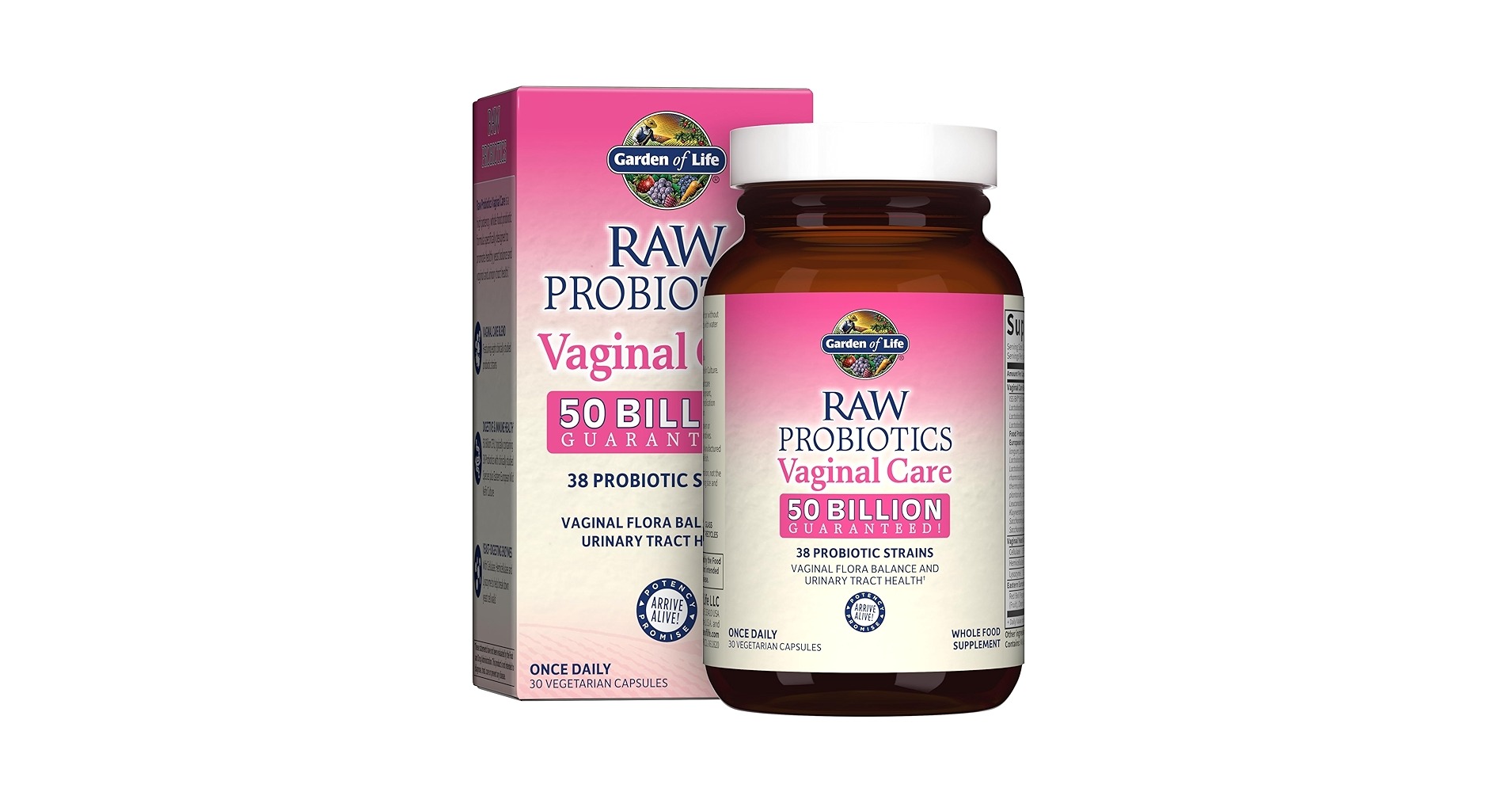
In a crowded field, Garden of Life leads with transparency and potency. Versus Culturelle’s single-strain focus, their multi-blend wins for complexity—better mimicking real food diversity. Renew Life offers similar shelf-stability but fewer organic prebiotics, per BestReviews comparisons.
Physician’s Choice edges on affordability, but Garden’s doctor-formulated edge (by neurologist David Perlmutter) adds credibility. X users debate: “Garden outlasts Align for sustained energy.” Illuminate Labs rates them highly for evidence-based strains, though notes high CFUs aren’t always needed.
Bottom line: If quality trumps cost, they’re top-tier. For basics, generics suffice.
Quick Comparison Table
| Brand | CFUs | Strains | Price/Month | Standout |
|---|---|---|---|---|
| Garden of Life | 30-100B | 15-32 | $30-50 | Whole-food base |
| Culturelle | 10B | 1 | $20 | Simple daily |
| Renew Life | 25-50B | 12 | $25 | Targeted women’s |
What Do Real Users Say About Garden of Life Probiotics?
Feedback floods positive: 4.5+ stars across Amazon, Walmart, and Target. Common themes? “Life-changing for IBS—less pain, more peace.” A mom shared, “My kid’s tummy troubles vanished with the chewables.” X threads echo affordability gripes but laud results: “Bloating gone, mood up—sticking with it.”
Critics cite initial adjustment or no wow factor: “Helped mildly, but not a cure-all.” Aggregated, 80% recommend, per Healthline’s expert take. Patterns show women and antibiotic recoverers as biggest fans.
Pros and Cons from Reviews
- Pros: Effective relief, clean ingredients, easy routine.
- Cons: Pricey, possible startup discomfort.
These voices ground the hype—your mileage may vary, but the chorus sings strong.
Garden of Life probiotics earn their rep through thoughtful design and solid user wins. They tackle common gut gripes with diverse, resilient strains that science and stories back. Not flawless—cost and adjustment periods exist—but for those seeking natural, reliable support, they shine. If bloating, irregularity, or low energy plague you, these could restore harmony without the synthetic edge.
Remember, supplements amplify, not replace, wholesome habits. Pair with veggies, movement, and stress checks for best bets. Ready to test the waters? Grab a bottle from a trusted retailer and journal your journey. Your gut—and the rest of you—might just thank you. Consult your doctor to tailor it right, and here’s to thriving from the inside out.
Call to Action: Share your probiotic story in the comments—what worked for you? Subscribe for more gut-smart tips, and check our shop for deals on Garden of Life essentials.
Related Topic: Is Your Old Boiler Costing You a Fortune
FAQ
How Long Does It Take for Garden of Life Probiotics to Work?
Many notice digestion easing in 3-7 days, but full benefits like steady energy or clearer skin build over 4-6 weeks. Consistency matters—take daily with food. A user on Walmart said, “Bloat vanished by day five, but true calm came at month one.” Factors like diet speed it up; track symptoms to gauge.
Can I Take Garden of Life Probiotics If I’m Pregnant?
Yes, their prenatal formula is safe and supports maternal flora, which influences baby’s start. Strains like Bifidobacterium promote vaginal health during delivery. Always doc-approve, as individual needs vary. No major risks noted in reviews.
Are Garden of Life Probiotics Vegan?
Absolutely—capsules from plant sources, no animal gelatin. Certified vegan, non-GMO, and gluten-free. Ideal for plant-based eaters seeking gut aid without compromise.
Do They Need Refrigeration?
Most are shelf-stable for convenience, with potency guaranteed through expiration. Refrigerate Raw lines for max viability. Users love the travel-friendliness: “No cooler needed on trips—still effective.”
What If I Experience Side Effects?
Mild gas is normal at first; halve the dose and ramp up. If persists, pause and consult a pro. Rare allergies possible, but clean formulas minimize this. Hydration helps smooth the ride.
Which Garden of Life Probiotic Is Best for Beginners?
Start with Once Daily 30 Billion—gentle entry with broad support. Builds tolerance without overwhelm. Reviewers call it “forgiving for newbies.”
Can Kids Use Them?
Yes, Organic Kids+ chewables offer 5 billion CFUs in fun flavors. Supports picky eaters’ tummies and immunity. Parents report fewer sick days: “Berry taste wins; no battles at breakfast.”