
Key Takeaways
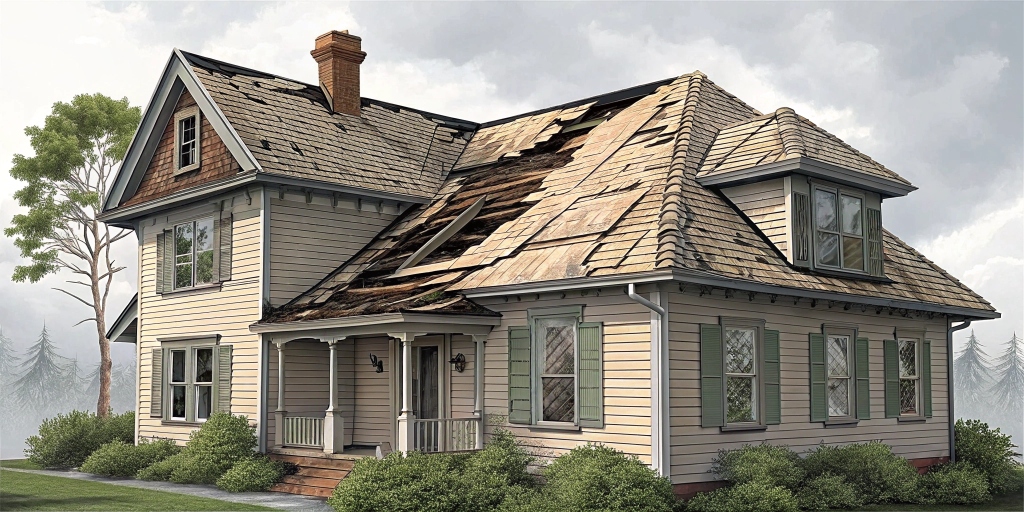
- Regular inspections help catch visible damage, such as cracked, curled, or missing shingles, early.
- Interior issues, such as water stains, musty odors, or mold, often signal hidden problems in your roof.
- The age of your roof is a significant factor in its performance and should be monitored closely.
A home’s roof is its first line of defense against the elements, protecting the interior from rain, wind, and extreme temperatures. Over time, even the sturdiest roofs can begin to show signs of wear and tear, potentially compromising their effectiveness. Noticing issues early can prevent minor problems from developing into costly repairs or structural damage. From visible damage to subtle changes, understanding the indicators of roof deterioration is key to maintaining a safe and comfortable living environment.
When damage becomes more than superficial, a roof replacement may be necessary to restore the home’s protection and ensure long-term durability. Common signs include missing or curling shingles, water stains on ceilings, or higher energy bills resulting from poor insulation. Regular inspections and prompt attention to these warning signs can help homeowners make informed decisions, safeguard their property, and avoid unexpected emergencies.
Age of the Roof
Roofs don’t last forever. Most asphalt shingle roofs, one of the most common types in the U.S., last between 15 and 30 years. If your roof falls within this age range or you’re unsure of its installation date, a thorough evaluation is essential. Even if there’s no visible external damage, older roofs tend to have hidden vulnerabilities—from weakened materials to compromised waterproof layers—that can lead to sudden leaks or structural issues.
Visible Damage
One of the easiest ways to spot roof trouble is by inspecting its surface. Watch for:
- Cracked or curling shingles: Harsh weather, excessive sun, and age can cause shingles to lose their shape and integrity.
- Missing shingles: Gaps expose the underlayment, increasing the risk of leaks and wood rot.
- Granule loss: If your gutters are filled with small black or gray granules, it indicates that your shingles are deteriorating and losing their effectiveness.
Addressing these signs promptly with timely roof repair prevents minor issues from escalating into more extensive and costly damage, ensuring your home remains protected.
Interior Signs of Roof Damage
While surface damage is evident, roof problems sometimes appear first inside your home. Watch for:
- Water stains on ceilings or walls: Often a sign of a leaky roof, these spots signal water infiltration.
- Mold or mildew growth: Persistent dampness from above can create a perfect environment for mold, impacting air quality.
- Musty odors: Trapped moisture or unnoticed leaks often lead to unpleasant smells and potential health hazards.
Any of these symptoms should prompt immediate action, including a full inspection to prevent mold from spreading or structural wood from weakening. Preventive maintenance is key to avoiding costly water damage.
Sagging Roof Deck
A flat or smooth roofline is essential for both safety and curb appeal. If you notice any areas of your roof sagging, bowing, or appearing uneven, this is often a symptom of extensive water damage or underlying structural weakness. A sagging deck indicates that the support beams or boards have begun to rot, deteriorating due to prolonged exposure to moisture. In severe cases, this poses a safety threat and immediate professional intervention is necessary to prevent partial or total collapse.
Granules in Gutters
Shingles are coated in protective granules that shield against UV rays and the elements. As your roof ages, these granules loosen and collect in your gutters or at the base of downspouts. Excess granule loss accelerates deterioration and reduces your roof’s ability to protect your home, making it a clear sign that replacement may be on the horizon.
Moss and Algae Growth
Moss, lichens, or dark streaks indicate persistent dampness and potential material breakdown. Moss can trap more moisture, leading to lifting shingles and faster rot. While occasional growth is often cosmetic, widespread coverage or growth within shingle layers is problematic. Periodic cleaning helps, but persistent moss problems usually indicate that the roofing system is compromised and should be inspected for underlying damage.
Damaged Flashing
Flashing—thin metal strips sealing joints and roof openings—is crucial for preventing water and debris from entering your home. Over time, flashing can become loose, crack, or corrode, particularly around chimneys, skylights, and roof valleys. Damaged or improperly sealed flashing often leads to slow leaks in hidden areas, which can drive up costs and increase repair complexity if left unaddressed.
Increased Energy Bills
If your utility bills suddenly rise, your roof may be the culprit. Poor insulation or hidden leaks force your HVAC systems to work harder to keep your home comfortable. Small leaks or unsealed areas allow cooled or heated air to escape, resulting in energy waste. Monitoring your energy use and comparing it to previous years can provide valuable insights into your roof’s integrity.
Conclusion
Recognizing roof damage early is crucial for protecting your home and investment. Signs include visible shingle deterioration, granule loss, interior water stains, sagging decks, and rising energy bills, indicating the roof may no longer protect adequately. Regular inspections, preventive maintenance, and prompt evaluations prevent minor issues from worsening. Staying proactive helps homeowners ensure safety, comfort, and make informed decisions about roof replacement before problems escalate.
