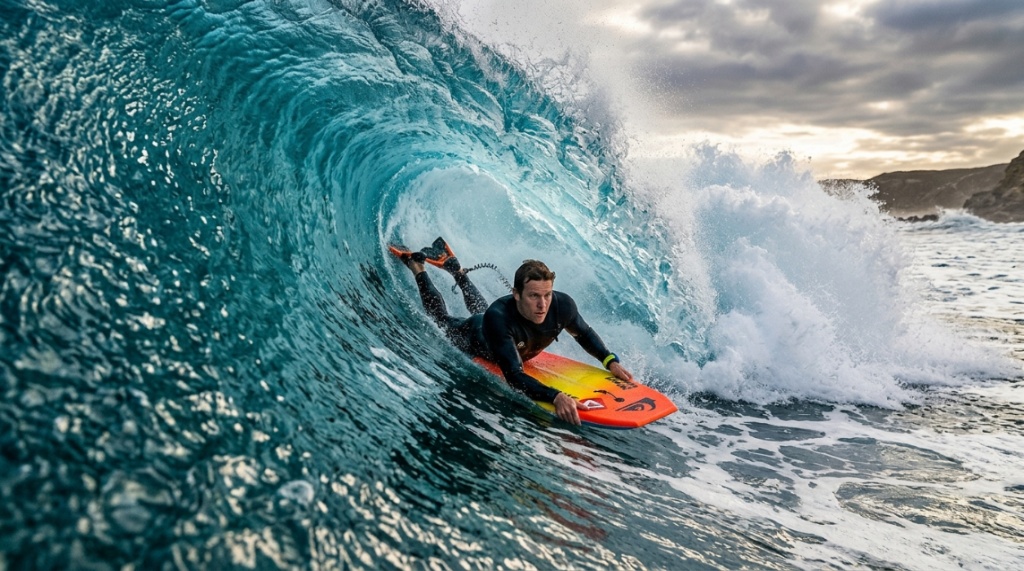
The right bodyboard size directly determines how much control, speed, and stability you have while learning or refining maneuvers. If your board is too big, you lose maneuverability; too small, and you sink or struggle to catch waves. For effective surf training, your bodyboard must match your weight, height, and riding style so that every session builds skill rather than frustration
How Size Affects Performance on Different Wave Types
A larger bodyboard provides more buoyancy and glide, making it easier to catch small, mushy waves. Conversely, a shorter board offers greater agility for steep, hollow waves where quick turns are essential. When you use a board that aligns with your local surf conditions, your training becomes more productive and you progress faster.
The Relationship Between Volume and Flotation
Volume, measured in liters, dictates how much float the board provides. Heavier riders need higher volume to stay on top of the water, while lighter riders can use lower volume for increased responsiveness. A common mistake beginners make is choosing based solely on length, ignoring how volume affects wave-catching ability during training sessions.
Why Fit Impacts Learning and Safety
An ill-fitting board forces you to compensate with poor body positioning, which can lead to bad habits and even injury. Proper sizing allows you to maintain a neutral spine, keep your hips low, and move naturally with the wave. This ergonomic alignment is critical for building muscle memory and avoiding strain during long training sessions.
What Measurements Should You Consider in a Bodyboard Size Guide Surf Training Bodyboard?
The three critical measurements are length (inches), width, and thickness. Your weight determines the ideal length, while height and arm span help fine-tune the width for proper rail control. Thickness affects buoyancy and stiffness, with thicker boards providing more float for lighter riders and thinner boards offering better grip for advanced maneuvers.
Length Based on Rider Weight
Most manufacturers provide a weight-based sizing chart. For example, riders weighing 130–165 pounds typically use a 42-inch board, while those over 200 pounds need 45–46 inches. Always cross-reference your weight with the board’s volume rating rather than assuming one size fits all.
Width and Rail Control
The width of the board should allow your arms to comfortably grip the rails without overreaching. A board that is too wide makes it hard to wrap your fingers fully, reducing control during turns. A good rule is to choose a width that matches your shoulder span.
Thickness and Buoyancy
Thicker boards (2.25 to 2.5 inches) offer maximum buoyancy for beginners and smaller riders. Thinner boards (1.75 to 2.0 inches) are stiffer and faster, better suited for experienced riders who don’t need extra float. Matching thickness to your weight ensures you don’t fight the board for stability.
How Do You Match Your Height to a Bodyboard?
Your height determines the ideal board length for proper body positioning. As a general rule, the board should reach from your belly button to your knees when standing upright. This ensures your center of gravity aligns with the board’s sweet spot, giving you balanced control when paddling and riding.
Testing the Belly Button to Knees Method
Stand the board vertically next to your body. If the top touches your belly button and the bottom lands at your knees, you’ve found a good starting length. Adjust up or down based on your weight or wave conditions. This simple test works for any brand and helps avoid sizing errors before you buy.
Adjusting for Arm Span and Reach
Riders with longer arms may prefer a slightly shorter board for tighter maneuvering, while those with shorter arms benefit from a wider board for better rail grip. Height alone isn’t enough; consider your full body proportions to ensure you can control the board in all phases of the wave.
What If You’re Between Sizes?
If your measurements put you between two standard sizes, prioritize your weight. Heavier riders should size up for better flotation, while lighter riders can size down for increased performance. For surf training, it’s better to have a board that floats you well than one that feels nimble but lets you sink.
Which Bodyboard Shape Is Best for Training?
For surf training, a crescent tail with a moderate rocker and a single concave bottom offers the best balance of control and forgiveness. This shape allows you to learn turns and drops without the board slipping out from under you. Avoid overly specialized shapes like bat tails or extreme rockers until you master the basics.
Crescent vs. Bat Tail for Beginners
A crescent tail provides consistent rail contact and holds the wave face better during bottom turns. A bat tail offers more maneuverability in the pocket but requires more advanced weight shifting. Beginners should stick with crescent tails to build confidence and consistency.
Rocker Profile and Speed Control
A moderate rocker (curve from nose to tail) lets you glide through flat sections while still allowing sharp turns. Too much rocker slows you down on small waves; too little makes the board catchy and hard to control on steep drops. Choose a board with a rocker matched to your local wave size.
Once you find the perfect board dimensions, don’t forget the rest of your surf setup. Staying warm between training heats is just as critical as your gear’s fit, so make sure you pack the Right Hooded Towel Poncho for Surfing to dry off quickly and block the wind.
Bottom Contours and Tracking
Single concave bottoms channel water for stability and straight-line speed, ideal for practicing takeoffs. Double concave or V-shaped bottoms provide more responsiveness for advanced carving but can feel unstable for new riders. Stick with single concave until you can consistently read wave faces.
How Do Weight and Skill Level Affect Board Choice?
Your weight is the single most important factor, but your skill level determines how aggressively you can push the board. Beginners should prioritize flotation and stability, while intermediate and advanced riders can sacrifice some float for performance. Matching both factors prevents plateauing and keeps training productive.
Bodyboard Size Guide Surf Training Bodyboard for Beginners
Beginners should choose a board that is one to two inches longer than their weight-based recommendation. This extra length provides more glide, making it easier to catch waves and maintain speed. As you improve, you can move to a shorter board that demands and rewards sharper technique.
For a practical breakdown of boards that meet these criteria, consult a reliable bodyboard size guide surf training bodyboard that lists specific models and verified user experiences.
Intermediate Adjustments for Progression
Once you can consistently ride down the line and make basic turns, consider dropping down one size from your beginner board. This change forces you to use better body mechanics and weight shifting. Many intermediate riders find that this size reduction is the key to unlocking faster, more fluid surfing.
Advanced Boards and Personal Preference
Advanced riders often choose boards based on wave type and personal style rather than strict weight charts. A stiff core board with a thinner profile offers maximum responsiveness for aerial moves and barrel work. At this level, small sizing adjustments become a matter of fine-tuning your equipment to your specific training goals.
Can You Use the Same Bodyboard for Training and Competition?
It depends on your budget and goals. A training-specific board should prioritize durability and forgiveness, while a competition board can be lighter and more fragile. You can absolutely train on a competition-grade board if you are prepared for higher costs and potentially shorter lifespan due to repeated use.
Durability vs. Performance in Training
Training boards are subject to more collisions with the sand, rocks, and your own body. A high-density PE core holds up well to abuse, while a PP or lightweight core offers better flex and speed but dents more easily. For daily training, choose a board that balances durability with the performance you need.
When to Upgrade to a Dedicated Competition Board
If you are entering contests or pushing into advanced maneuvers like 360s and airs, invest in a separate, lighter board. Keep your training board for rough conditions and heavy sessions. This dual-board approach ensures you always have the right tool for the moment without wearing out your expensive gear.
What Mistakes Do Riders Make When Sizing Bodyboards?
The most common mistake is choosing a board based solely on height, ignoring weight and skill level. Another frequent error is assuming that a smaller board automatically makes you better. This misconception leads to frustration and slower progress. Avoid these pitfalls by using a complete sizing method that includes all key factors.
Overlooking the Nose and Tail Shapes
A pointed nose works better for steep waves, while a rounder nose helps glide on small waves. The tail shape also affects release and hold. Many riders focus only on length and miss how these subtle features affect their specific training environment.
Buying a Board That’s Too Advanced
New riders often want a board that looks like a pro’s, not realizing that performance boards require precise timing and body control. A beginner on an advanced board will struggle to catch waves and may develop poor posture. Stick with a trainer board that matches your actual skill level, not the level you aspire to.
How to Test a Bodyboard Size Before You Buy?
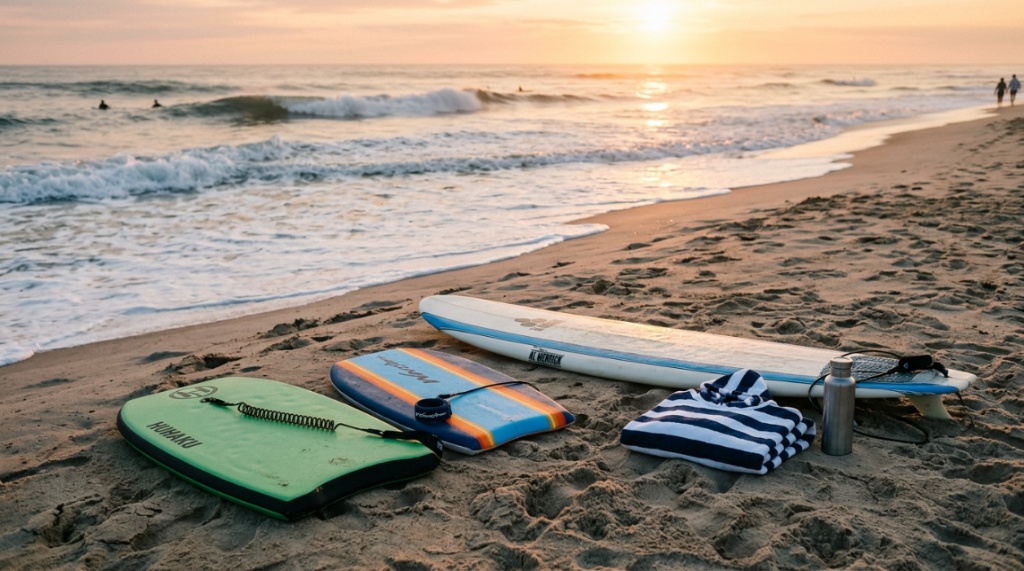
If possible, test a friend’s board or rent a few sizes at your local break. Many surf shops also allow demos. Focus specifically on how the board feels during takeoff and when paddling. A quick test session can confirm or challenge your sizing choice before you commit.
What to Look for During a Test Paddle
You should be able to paddle into a wave without excessive effort. If you sink or feel unstable, the board is too small. If you feel clumsy and unresponsive, it may be too big. Also test your arm reach to the rails; you should be able to grip comfortably without stretching your shoulders.
How Wave Conditions Affect Your Test
Test in conditions similar to where you train most often. A board that works well in knee-high slop may feel different in chest-high fast waves. If you can, try multiple sizes across different days to see how size interacts with wave energy. This firsthand experience is far more reliable than any chart.
When Should You Replace Your Training Bodyboard?
You should replace your training bodyboard when it becomes waterlogged, develops cracks, or you have physically outgrown it. Most recreational boards last one to two years with regular use. Signs of wear include decreased buoyancy, soft spots in the foam, and rails that no longer hold a clean line.
Signs of Waterlogging and Performance Loss
If your board feels heavier after a session, water has likely seeped into the foam. A waterlogged board loses buoyancy and flexibility, making training harder. If you notice a significant drop in performance, ask a shop to check for internal damage or consider a replacement.
When Your Skill Level Exceeds the Board
If you consistently wish for more speed or tighter turning ability, your skills may have outgrown your board. This is a good problem to have. Upgrading to a board that is one size smaller or has a different core material can reignite your motivation and help you reach the next level.
Frequently Asked Questions
How do I know what size bodyboard I need?
Measure your bodyboard size primarily by your weight, then confirm with height. The standard method is to stand the board vertically; it should reach between your belly button and knees in length for optimal control.
Is a 42-inch bodyboard good for a beginner?
A 42-inch bodyboard works well for riders weighing between 130 and 165 pounds. Beginners in this weight range will find the length provides enough flotation to catch waves easily while remaining maneuverable enough to learn turns.
Can a bodyboard be too big?
Yes, a bodyboard that is too big will feel sluggish and hard to maneuver. Your arms may not comfortably reach the rails, and you will struggle to generate speed. Oversized boards can also make bottom turns difficult due to too much surface area in the water.
What thickness bodyboard should I get?
Choose a thickness based on your weight and buoyancy needs. For riders under 150 pounds, 2.25 inches is common. For heavier riders or those wanting more float, 2.5 inches is a better choice. Advanced riders often prefer 1.75 to 2.0 inches for speed.
Do I need a different size for bodyboarding in Hawaii?
Hawaiian waves are often powerful and steep, requiring a more responsive board. You may want to size down slightly for better handling in hollow waves, especially if you are an intermediate or advanced rider. Beginners should stick with standard sizing.
How often should I replace my bodyboard?
Replace your bodyboard every one to two years depending on use. If you train several times a week, expect to replace it sooner. Look for signs of waterlogging, rail damage, or delamination as indicators that a new board is needed.
What bodyboard size is best for kids?
Kids typically use board lengths from 33 to 38 inches, matched to their weight. A good guideline is to ensure the board reaches from the child’s belly button to their knees. A softer core is recommended for safety and learning.
Conclusion
Choosing the right bodyboard size transforms your surf training from a struggle into a rewarding progression path. Focus first on your weight and height, then adjust for skill level and wave conditions. A board that fits you properly will make every session more productive, safer, and more enjoyable. Whether you are just starting or looking to sharpen your technique, the right size is your foundation for success. Use the methods outlined here to evaluate your current board or select a new one, and commit to practicing consistently. Your next breakthrough wave is waiting for the right board to help you catch it.