
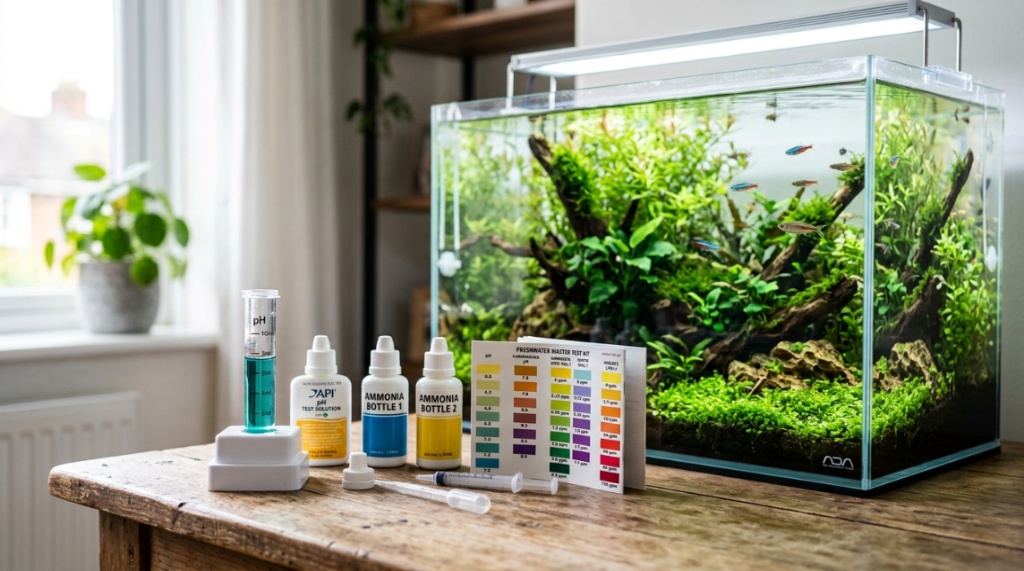
You’ve set up your aquarium, added the substrate, and chosen your plants. But after a few weeks, your once vibrant greenery looks pale, stunted, or worse, it’s melting away. The problem isn’t your lighting or your water changes. It’s nutrition. Aquarium plants need specific nutrients to thrive, and without them, they starve. The good news is that keeping a lush aquascape does not have to cost a fortune. Whether you are hunting for budget aquarium fertilizers in Washington or simply trying to stretch your dollar, this guide will show you exactly how to feed your plants without emptying your wallet. We will cover what nutrients matter, which products deliver results, and how to apply them effectively.
What Nutrients Do Aquarium Plants Actually Need?
Aquarium plants require three primary macronutrients—nitrogen, phosphorus, and potassium—plus a suite of micronutrients like iron, magnesium, and manganese. Unlike outdoor gardens, your tank is a closed system, so every element must be added manually or through fish waste. Understanding this foundation is the first step to choosing the right budget fertilizer.
Macronutrients: The Big Three
Nitrogen (N) drives leaf growth and protein synthesis. Phosphorus (P) supports root development and energy transfer. Potassium (K) regulates enzyme activity and helps plants resist disease. Many budget fertilizers focus on these three, but they often skimp on trace elements, which leads to slow growth over time.
Micronutrients: The Hidden Helpers
Iron is critical for chlorophyll production. Without it, new leaves turn yellow while veins stay green—a classic sign of iron deficiency. Magnesium, manganese, and boron are equally important but often overlooked. A truly effective budget fertilizer must include a balanced micronutrient package, not just NPK.
CO₂: The Limiting Factor
Even with perfect fertilizer, plants cannot grow fast without carbon. In low-tech tanks, ambient CO₂ is usually enough for slow-growing species. But if you want faster results, consider liquid carbon supplements. They are inexpensive and pair well with budget fertilizers to maximize growth.
Why Are Fertilizers So Expensive in Washington?
Many hobbyists in Washington face higher prices due to shipping costs, local taxes, and limited availability at brick-and-mortar stores. However, you can still find affordable options if you know where to look. The key is avoiding premium brands that overcharge for packaging and marketing.
Local Store Markups vs. Online Savings
Pet stores in Seattle, Tacoma, or Spokane often mark up fertilizers by 30–50% compared to online retailers. If you need fertilizer immediately, local stores work, but planning ahead and ordering online can cut costs significantly. Many Washington-based aquascapers save by buying in bulk from specialty online shops.
Shipping Considerations for Washington Residents
Liquid fertilizers are heavy, and shipping costs can add up. Look for sellers that offer free shipping over a certain threshold or concentrate formulas that reduce weight. Some local aquarium clubs also organize group buys to split shipping costs.
Alternative Sources of Nutrients
Before buying commercial fertilizers, consider what your tank already provides. Fish food, fish waste, and decaying plant matter release ammonia, nitrates, and phosphates. In a well-stocked tank, you might only need to supplement potassium and micronutrients. This approach saves money and reduces chemical use.
How Do Budget Fertilizers Compare to Premium Brands?
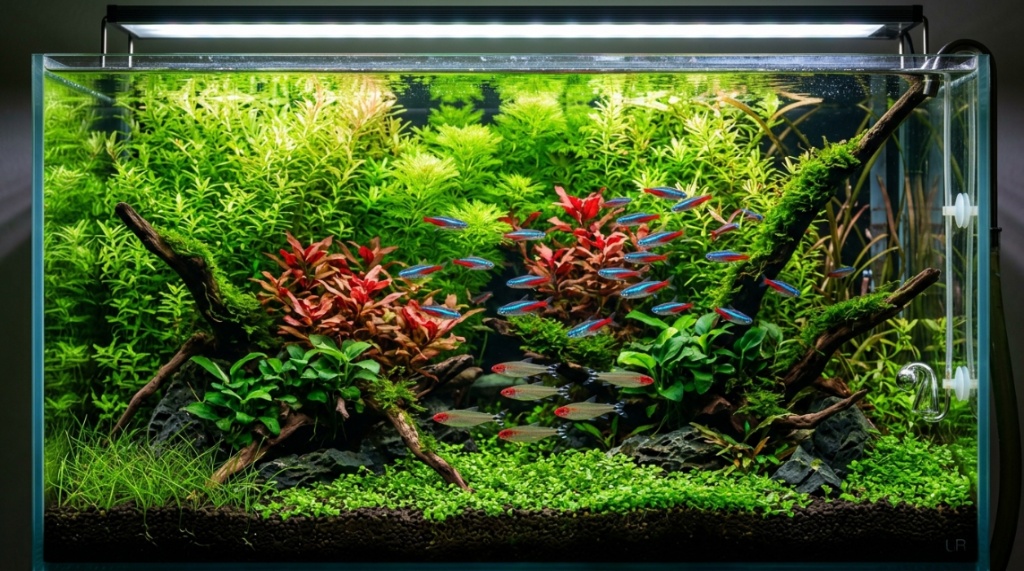
Budget fertilizers often use simpler formulations with fewer ingredients. Premium brands spend money on research, packaging, and marketing. However, the actual nutrient content in budget options can be just as effective when dosed correctly. The difference often comes down to convenience and consistency.
Nutrient Concentrations and Purity
Premium brands typically use high-purity salts and chelated trace elements that remain bioavailable longer. Budget brands may use lower-grade ingredients that precipitate out of solution faster. This means you might need to dose more frequently with budget options, but the cost per dose often remains lower.
Ease of Use
Premium all-in-one fertilizers simplify dosing because they contain balanced ratios. Budget fertilizers often require you to measure and mix multiple components. For beginners, this can be intimidating, but for experienced hobbyists, it offers more control and lower long-term costs.
Real-World Results
In side-by-side tests, many budget fertilizers produce comparable growth rates, especially in low-light, low-CO₂ setups. The biggest difference appears in high-tech tanks where plant demand is extreme. For most hobbyists, budget fertilizers deliver excellent value if you monitor your plants and adjust dosing accordingly.
Which Budget Fertilizers Work Best for Washington Aquariums?
Not all budget fertilizers are created equal. Some work well in soft Washington tap water, while others struggle. Water hardness and pH vary across the state, from Seattle’s soft, acidic water to Eastern Washington’s harder, alkaline supply. Your local water chemistry influences which fertilizer will work best for you.
Best for Soft Water (Western Washington)
If your water is soft and low in buffering capacity, choose fertilizers that boast strong chelation for iron and trace metals. Products like NilocG Thrive Caps and Easy Green from Aquarium Co-Op perform well in low-KH environments. They provide balanced nutrition without causing pH swings.
Best for Hard Water (Eastern Washington)
Hard water contains high calcium and magnesium levels, which can bind with phosphate and iron, making them unavailable. Look for fertilizers with EDTA or DTPA chelated iron, which remains stable at higher pH. Budget options like Seachem Flourish work, but you may need to dose additional iron separately.
Custom DIY Fertilizer Recipes
For ultimate cost savings, mix your own fertilizers using dry salts. You can buy potassium nitrate, monopotassium phosphate, and trace element mixes online for pennies per dose. This approach requires a digital scale and some math, but it gives you complete control. Many Washington hobbyists use the estimative index method with dry salts for under $20 per year.
How Often Should You Apply Budget Fertilizers?
Dosing frequency depends on your plant load, lighting intensity, and CO₂ levels. Generally, low-tech tanks need fertilizer once or twice per week. High-tech tanks may need daily dosing. The key is to observe your plants and adjust, not follow a rigid schedule.
Low-Tech Tanks (No CO₂ Injection)
In low-tech setups, plants grow slowly and demand fewer nutrients. Dosing once per week with a comprehensive fertilizer is usually sufficient. Water changes remove excess nutrients, so you create a steady cycle. Overdosing in low-tech tanks leads to algae, not faster growth.
High-Tech Tanks (With CO₂ Injection)
High-tech tanks with injected CO₂ and strong lighting can absorb nutrients rapidly. Daily dosing of a complete fertilizer is recommended to prevent deficiencies. Budget fertilizers work well here because you are replenishing nutrients constantly, and the higher dosing frequency makes cost savings more noticeable.
Signs You Need to Adjust Dosing
Yellow leaves indicate a nitrogen deficiency. Stunted growth with dark green leaves suggests too much nitrogen and not enough potassium. Holes in leaves point to potassium or micronutrient issues. Keep a log of these symptoms and adjust your fertilizer type or amount accordingly.
Can You Use Houseplant Fertilizers in Your Aquarium?
Houseplant fertilizers are tempting because they are cheap and widely available. However, most are not safe for aquariums. They contain urea or ammonium-based nitrogen that is toxic to fish and shrimp. If you want to save money, stick to fertilizers specifically formulated for planted aquariums.
The Ammonia Problem
Houseplant fertilizers often rely on urea as a nitrogen source. Urea breaks down into ammonia in water, which spikes toxic levels. Fish and invertebrates are extremely sensitive to ammonia. Even small amounts cause stress, illness, or death. Aquarium fertilizers use nitrate or ammonium nitrate instead, which are safer.
Missing Micronutrients
Houseplant formulas focus on NPK and ignore trace elements like iron, manganese, and boron. Your aquarium plants need these micronutrients just as much as macronutrients. Using houseplant fertilizer forces you to supplement traces separately, which increases cost and complexity.
Safe Alternatives from the Garden Center
Some garden center products are safe if you read the labels carefully. Avoid anything with urea, slow-release coatings, or added pesticides. Osmocote Plus, when used sparingly, can be buried in the substrate as a root tab alternative. But for water column dosing, stick to dedicated aquarium products.
How Do Water Changes Affect Fertilizer Efficiency?
Water changes are essential for removing waste and resetting nutrient levels. However, they also remove fertilizers you just added. Timing your dosing around water changes maximizes efficiency and saves money. You can stretch your budget by dosing right after a water change when nutrient demand is highest.
The Reset Strategy
Many experienced aquascapers do a large water change (50%) once per week, then immediately dose a full week’s worth of fertilizer. This resets nutrient levels and prevents buildup. You waste less fertilizer because you are dosing into clean water, and plants absorb nutrients more readily.
Partial Water Changes and Dosing
If you do smaller water changes throughout the week, dose at half-strength after each change. This prevents nutrient spikes and maintains consistent levels. Budget fertilizers are often concentrated, so you can easily adjust dosage for smaller water volumes.
Tracking Nutrient Export
Water changes export nitrates and phosphates. If your tank produces these naturally from fish waste, you may not need to add them at all. Test your water before dosing. If nitrates are above 10 ppm and phosphates are above 0.5 ppm, skip those components and only dose potassium and trace elements.
What Are the Best Practices for Storing Liquid Fertilizers?
Liquid fertilizers degrade over time when exposed to light, heat, or air. Proper storage extends their shelf life and maintains potency. This is especially important for budget fertilizers that may be sold in larger, less expensive bottles.
Keep Them Cool and Dark
Store fertilizers in a cupboard away from direct sunlight and heat sources. Temperatures above 80°F accelerate chemical breakdown. Refrigeration is not necessary but can extend the life of iron-rich fertilizers by preventing oxidation.
Seal Bottles Tightly
Oxygen causes chelated metals to precipitate out of solution. Always close bottle caps tightly after each use. Consider transferring fertilizers to smaller, airtight containers as you use them to minimize air exposure in the main bottle.
Watch for Sediment and Color Changes
If you see sediment at the bottom of the bottle or the liquid turns cloudy, the fertilizer may have degraded. Shake thoroughly and test it on a small area first. If it does not dissolve or smells foul, replace it. Degraded fertilizer can cause algae blooms instead of plant growth.
How Can You Combine Fertilizers and Root Tabs for Maximum Growth?
Root-feeding plants like crypts, swords, and vallisneria absorb nutrients through their roots. Water column fertilizers alone are insufficient for these species. Combining liquid fertilizers with root tabs creates a complete nutrition system that boosts growth and reduces waste.
Making Your Own Root Tabs
Commercial root tabs are expensive. You can make your own using clay, osmocote pellets, or crushed dry fertilizer. Form small balls, bake them until hard, and bury them near plant roots. This costs pennies per tab and works just as well as store-bought versions.
Pairing Liquid and Root Feeding
Use liquid fertilizers for stem plants and floating plants that absorb nutrients from the water column. Use root tabs for heavy root feeders. This dual approach ensures every plant gets what it needs, and you avoid wasting liquid fertilizer on plants that cannot use it.
When to Replace Root Tabs
Root tabs last 2–4 months depending on plant density and root activity. Replace them when you notice slowed growth or pale new leaves. Mark your calendar to replace tabs seasonally. This prevents nutrient gaps and keeps your plants growing continuously.
If you are looking for reliable, affordable options, check out this curated list of budget aquarium fertilizers Washington that have been tested and recommended by local hobbyists. These products balance cost and performance without compromising plant health.
Is It Possible to Overdose Budget Fertilizers?
Yes, overdosing is possible and common among beginners. Excess nutrients fuel algae growth, crash water parameters, and stress fish. Budget fertilizers concentrate nutrients, so a small mistake can have big consequences. Learning proper dosing discipline saves money and keeps your tank healthy.
Signs of Overdosing
Green water blooms, hair algae, and slime coating on surfaces indicate too many nutrients. Fish may gasp at the surface if ammonia or nitrite spikes occur. Test your water immediately if you notice these signs. Stop dosing until parameters normalize.
How to Recover from Overdosing
Perform a 50% water change immediately. Reduce lighting hours to 6 per day and skip fertilizer for one week. Increase water movement to help break down excess nutrients. Once plants resume healthy growth, resume dosing at half the previous amount.
Prevention Strategies
Start with half the recommended dose and increase slowly over two weeks. Use a dosing pump or syringe to measure accurately. Keep a log of each dose and the plant response. This data helps you fine-tune your regimen and avoid costly mistakes, Just like managing the damp climate of the Pacific Northwest requires specific gardening tactics, traveling to tropical climates requires its own set of prep work—like packing the right Anti-Chafing Balm for Hawaii to beat the intense humidity.
Frequently Asked Questions
Can I use all-purpose garden fertilizer in my aquarium?
No, most garden fertilizers contain urea or ammonium nitrogen that is toxic to fish. They also lack chelated micronutrients needed for aquatic plants. Always use fertilizers specifically labeled for aquarium use to ensure safety and effectiveness.
How long does a bottle of budget fertilizer last?
A 500 ml bottle of liquid fertilizer typically lasts 3–6 months for a 20-gallon tank dosed once weekly. Concentrated formulas last longer. Dry salts can last over a year. Actual duration depends on dosage, plant density, and water change frequency.
Do I need different fertilizers for different plants?
Most stem plants, floating plants, and mosses absorb nutrients from the water column. Root-feeding plants like crypts and swords benefit from root tabs. A combination of liquid fertilizer and root tabs covers all plant types without needing separate specialized products.
What is the cheapest way to fertilize a planted tank?
Mixing your own dry salts using the Estimative Index method is the cheapest option. A year’s supply of dry NPK and trace elements costs less than $25. This approach requires basic measuring tools but provides precise control and significant savings.
Why are my plants still dying even with fertilizer?
Insufficient lighting, low CO₂, or wrong water parameters often cause plant decline despite fertilization. Test your water for hardness, pH, and temperature. Ensure your light spectrum and duration match your plant species. Without proper conditions, fertilizer alone cannot sustain growth.
Can I make liquid fertilizer at home?
Yes, you can dissolve dry salts in distilled water to create concentrated liquid fertilizers. Recipes are widely available online. Homemade liquid fertilizers are cost-effective but require careful measurement and proper storage to prevent degradation and contamination.
How do I know if my fertilizer contains enough iron?
Look for iron listed as ferrous gluconate or DTPA iron on the label. A good all-in-one fertilizer should contain at least 0.1% iron by weight. If new leaves emerge pale or yellow, your iron levels are likely too low regardless of the label.
Conclusion
Growing a stunning planted aquarium does not require expensive fertilizers. By understanding what nutrients your plants need, choosing the right budget products for your water type, and dosing carefully, you can achieve lush growth without overspending. Remember to combine liquid fertilizers with root tabs for root-feeding species, store your products correctly, and watch for signs of deficiency or overdose. Every tank is different, so take time to observe and adjust. With the practical strategies outlined here, you can boost plant growth while keeping your budget firmly intact. Start by testing your water, reviewing your current fertilizer routine, and making one small change today. Your plants—and your wallet—will thank you.