
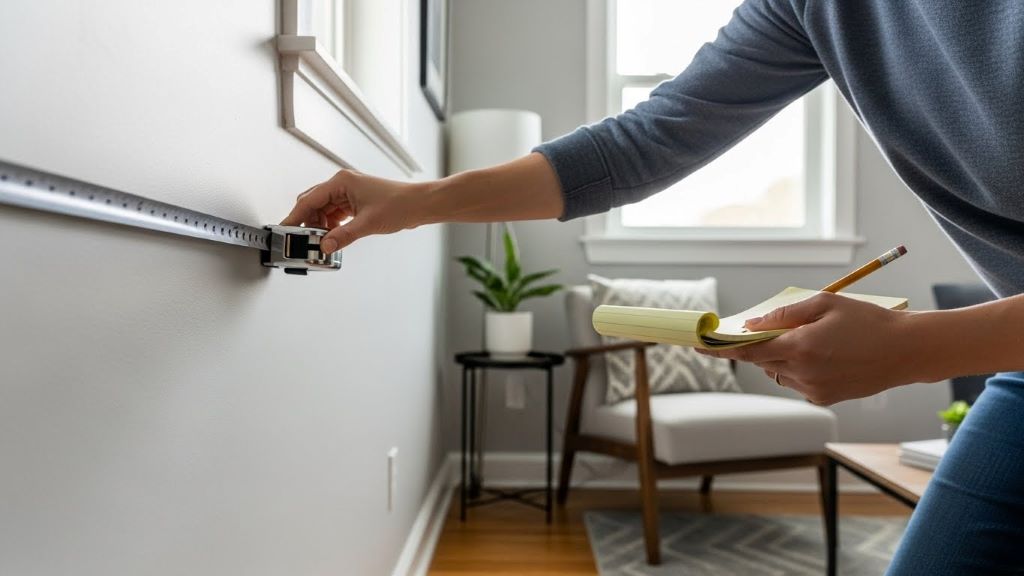
Furnishing a tight living room requires careful planning and precise measurements. Many people struggle with small spaces that feel cramped or cluttered. However, proper measurement techniques help you choose furniture that fits perfectly while maintaining comfortable traffic flow. This guide shows you exactly how to measure your room and select furniture that maximizes your limited space.
Why Accurate Measurements Matter in Small Spaces
Small living rooms leave no room for error. A sofa that is just two inches too wide can block a doorway or create awkward gaps. Additionally, furniture that is too large makes your space feel even smaller than it actually is.
Accurate measurements prevent costly mistakes. Returning oversized furniture wastes time and money. Furthermore, some retailers charge restocking fees for returned items. Therefore, measuring correctly the first time saves you hassle and expense.
Proper measurements also help you visualize your space. You can plan layouts before purchasing anything. This approach ensures every piece serves a purpose without overcrowding your room.
Essential Tools for Measuring Your Living Room
Gather the right tools before you start measuring. A metal tape measure at least 25 feet long works best for room dimensions. Metal tapes stay straight and provide accurate readings unlike cloth versions.
You will also need a notepad or smartphone for recording measurements. Graph paper helps create scale drawings of your room layout. Additionally, bring a pencil, eraser, and a laser level if available.
Laser measuring tools offer quick and accurate readings. These devices measure distances electronically with the push of a button. However, traditional tape measures work perfectly well for most projects.
Enlist a helper if possible. Measuring rooms alone can be challenging, especially for long walls or diagonal measurements. Another person holds one end of the tape while you record the measurement.
Creating Your Room Measurement Plan
Start by sketching a rough floor plan of your living room. Draw the basic shape including all walls, even if the room has an irregular layout. Mark the locations of doors, windows, radiators, electrical outlets, and any permanent fixtures.
This sketch serves as your measurement map. Label each wall and feature clearly. Number them if needed to avoid confusion when recording dimensions.
Note the direction doors swing open. This detail matters because furniture cannot block door paths. Similarly, mark which way windows open if they swing inward.
Include ceiling features like light fixtures, ceiling fans, or exposed beams. These elements affect furniture placement and overall room flow.
Measuring Wall Dimensions Accurately
Begin measuring at one corner of your room. Measure the length of each wall from corner to corner. Record these measurements on your sketch immediately.
Measure walls at floor level where furniture will sit. Walls sometimes angle slightly, so measurements at different heights may vary. Additionally, baseboards can affect how furniture fits against walls.
Take note of any wall protrusions like radiators, built-in shelving, or architectural details. Measure their depth from the wall surface. These features reduce usable floor space and must be considered when placing furniture.
Measure the width and height of all windows from the outer trim. Record the distance from the floor to the window sill. This information helps when selecting furniture that sits beneath windows.
Measuring Doorways and Entry Points
Doorways present unique challenges in tight spaces. Measure the width of each doorway at its narrowest point. Then, measure the height from the floor to the top of the door frame.
Open each door fully and measure the space it requires. Mark this swing radius on your floor plan. Furniture must not interfere with door operation. According to Better Homes & Gardens, maintaining clear doorways is essential for functional small space design.
Measure hallways or staircases if furniture must pass through these areas during delivery. Many people forget to check whether large furniture can actually reach their living room. Consequently, delivery drivers cannot bring oversized pieces into tight spaces.
Check ceiling heights in doorways and hallways too. Tall furniture pieces might not fit through standard doorways even if they fit widthwise.
Calculating Traffic Flow and Walkway Space
Traffic flow determines how comfortably people move through your living room. Measure and plan walkways before selecting furniture dimensions.
Main walkways need at least 30 inches of clearance for comfortable passage. However, 36 inches works better if multiple people frequently walk through simultaneously. Tight spaces often require creative solutions to maintain adequate pathways.
Measure the distance between your planned furniture placement and walls. Leave enough space for people to walk behind seating areas. Additionally, ensure pathways lead naturally from one area to another without awkward detours.
Consider how people will move from the entrance to seating areas. Plan direct routes that do not require navigating around multiple furniture pieces. This planning makes your small space feel more open and functional.

Determining Furniture Scale and Proportion
Furniture scale refers to how pieces relate to your room size. Oversized furniture overwhelms small spaces while tiny pieces look lost and awkward. Therefore, finding the right proportion creates visual harmony.
Measure your room’s total square footage by multiplying length times width. Generally, furniture should occupy no more than 60 percent of your floor space. This ratio leaves adequate room for movement and prevents overcrowding.
Use the one-third rule for furniture height. Pieces should measure roughly one-third of your ceiling height. This proportion creates balanced visual weight. For example, an 8-foot ceiling pairs well with furniture around 30 inches tall.
Consider furniture depth carefully in tight spaces. Deep sofas and chairs consume valuable floor space. Look for pieces with shallower profiles that still provide comfortable seating.
Measuring for Specific Furniture Pieces
Each furniture type requires different measurement considerations. Sofas and sectionals need the most careful planning in small living rooms.
For sofas, measure the exact length including arms. Then, measure the depth from the back to the front edge. Add several inches for cushion overhang that extends beyond the frame. According to The Spruce, accounting for these details prevents sizing surprises.
Coffee tables should sit 14 to 18 inches from your sofa. Measure this distance to ensure comfortable leg room. The table length should be approximately two-thirds of your sofa length for proper proportion.
Measure carefully for TV stands and entertainment centers. These pieces must accommodate your television width plus several inches on each side. Additionally, check that viewing distance from seating areas falls within the recommended range for your TV size.
Armchairs need 24 to 30 inches of space around them for entry and exit. Measure these clearances to ensure you can place chairs without blocking walkways.
Creating a Scale Floor Plan
Transfer your measurements to graph paper for accurate visualization. Use a consistent scale such as one square equals one foot. This method lets you experiment with different furniture arrangements before purchasing anything.
Cut out scaled furniture templates from cardboard or paper. Move these pieces around your floor plan to test various layouts. This hands-on approach reveals what fits and what does not.
Digital planning tools offer another option. Several free apps and websites let you create virtual room layouts. Input your measurements and drag furniture pieces into position. These programs often include common furniture dimensions for easy planning.
Test multiple arrangements using your floor plan. Consider traffic flow, focal points, and functionality in each layout. Some arrangements work better than others even when furniture technically fits.
Accounting for Furniture Delivery Dimensions
Furniture dimensions include more than just the assembled piece. Measure delivery packaging when possible. Sofas and large items often come in boxes that exceed the furniture’s final size.
Check whether furniture comes fully assembled or requires assembly. Assembled pieces must fit through all doorways and hallways. However, flat-pack furniture offers more flexibility for tight spaces.
Measure stairways if your living room sits on an upper floor. Note the stairway width, ceiling height above stairs, and any turns or landings. Many furniture pieces cannot navigate tight staircases even when they fit in the room itself.
Consider removing doors temporarily for large deliveries. Taking doors off hinges adds several inches of clearance. This simple step often makes the difference between successful delivery and returned items.
Maximizing Space with Smart Furniture Choices
After measuring your space thoroughly, select furniture that serves multiple purposes. Storage ottomans provide seating and hidden storage. Similarly, console tables can function as desks or dining surfaces in tight spaces.
Choose furniture with exposed legs rather than skirted pieces. Visible floor space makes rooms feel larger even when furniture occupies the same footprint. Additionally, glass or acrylic furniture creates openness without sacrificing function.
Consider furniture height strategically. Low-profile pieces make ceilings appear higher and rooms feel more spacious. However, some vertical storage helps maximize limited floor space.
Look for armless or low-arm seating options. These designs consume less width than traditional armed furniture. You can fit more seating capacity into tight spaces without overwhelming the room.
Double-Checking Measurements Before Purchase
Review all measurements one final time before buying furniture. Mistakes happen, and verifying dimensions prevents costly errors. Measure your room again if several weeks have passed since your initial measurements.
Compare your room measurements against furniture specifications carefully. Manufacturers list dimensions in different ways. Some include overall measurements while others specify only the seating area dimensions.
Account for furniture placement orientation. A sofa might fit along one wall but not another due to windows or doors. Verify that your chosen placement works with your specific room layout.
Read customer reviews for sizing feedback. Previous buyers often mention if furniture runs larger or smaller than listed dimensions. This information helps set accurate expectations.
Common Measuring Mistakes to Avoid
Many people forget to measure vertical space. Tall bookcases or armoires must fit beneath ceilings comfortably. Leave several inches of clearance above tall furniture for proper proportion.
Overlooking door swing radius causes frequent problems. Furniture that blocks doors creates frustration and safety hazards. Always mark door paths on your floor plan.
Ignoring diagonal measurements leads to delivery issues. Furniture might fit through a doorway straight but not angled. Measure diagonally across doorways to determine maximum furniture dimensions.
Forgetting about baseboard and crown molding thickness affects furniture placement. These architectural details reduce usable wall space by several inches. Measure from the wall surface where furniture actually rests.
Conclusion
Measuring your tight living room properly ensures furniture fits perfectly while maintaining comfort and functionality. Start by gathering proper tools and creating a detailed floor plan with all dimensions. Measure walls, doorways, windows, and traffic paths carefully. Consider furniture scale and proportion relative to your room size. Create a scaled layout to test arrangements before purchasing. Remember to account for delivery dimensions and door swing paths. By following these measurement techniques, you can furnish your small living room successfully without costly mistakes or cramped conditions. Proper planning transforms tight spaces into comfortable, functional rooms that feel larger than their actual size.
Frequently Asked Questions
How much space should I leave between furniture and walls in a small living room?
Leave at least 3 to 6 inches between furniture and walls for visual breathing room. This spacing prevents a cramped appearance and allows for easy cleaning. However, floating furniture away from walls often makes small rooms feel more spacious.
What is the minimum walkway width needed in a tight living room?
Maintain at least 30 inches of clearance for walkways in tight spaces. This width allows one person to pass comfortably. If possible, aim for 36 inches in main traffic paths where multiple people might walk simultaneously.
How do I know if a sofa is too big for my small living room?
A sofa is too large if it blocks doorways, extends beyond wall lengths, or leaves less than 30 inches for walkways. Additionally, if the sofa occupies more than 60 percent of your floor space, consider a smaller option.
Should I measure furniture at the store or trust online dimensions?
Always verify dimensions even when shopping in stores. Bring your tape measure and confirm all measurements personally. Online dimensions are usually accurate but measuring yourself ensures complete confidence before purchasing.
Can I fit a sectional sofa in a tight living room?
Small sectionals can work in tight spaces if measured carefully. Choose compact models designed for small rooms. Measure all components separately and verify corner configurations fit your specific layout before ordering.
Related Topics:
