
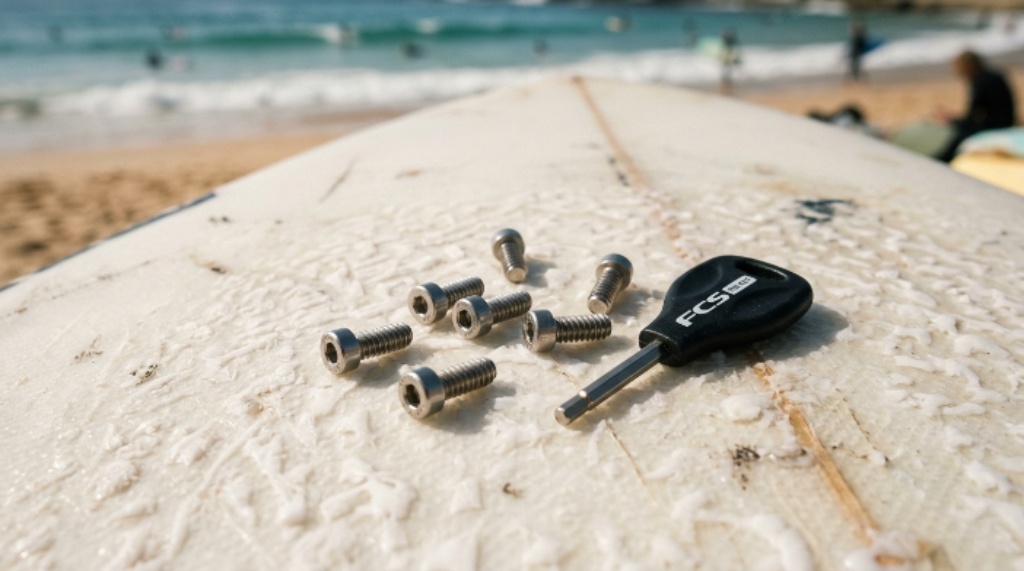
Every surfer knows the frustration of a loose fin mid-session. It throws off your balance, kills your speed, and can ruin an otherwise perfect wave. The small screw that holds your fin in place matters more than most people realize. However, fin screws are often the last thing surfers think about when gearing up. This buyer’s guide will change that. Whether you are a beginner or a seasoned surfer, understanding what to look for in a fin screw will save you time, money, and a lot of headaches out on the water.
Why Fin Screws Deserve More Attention
Fin screws are tiny, but their job is critical. They lock your fins into the fin box and keep them stable during every turn, cutback, and wipeout. A screw that fails at the wrong moment can send your fin flying — and in the worst case, that loose fin becomes a hazard to you or another surfer nearby.
Beyond safety, the right screw protects your board. A poorly made screw can strip its thread over time, damaging the fin box and making future installations difficult. Therefore, treating your fin screws as a genuine piece of surf equipment — rather than an afterthought — is always the smarter approach.
Understanding Fin Box Systems
Before you buy any fin screws, you need to know what type of fin box your board uses. Different systems require different screw sizes and styles. The three most common systems are FCS, Futures, and single fin boxes.
FCS fin boxes use a small flat-head screw that tightens with a fin key. These screws are compact and designed to sit flush with the fin base. Futures fins, on the other hand, use a different installation method with a single screw that runs through a track. Single fin boxes are typically found on longboards and use a larger screw with a nut and plate assembly.
Always check which system your board uses before purchasing replacement screws. Using the wrong screw size can damage the box threading or result in a fin that feels insecure even when tightened fully. Additionally, some newer hybrid fin systems have their own proprietary screw designs, so double-checking your board’s manual or asking your local surf shop is always a good idea.
What Materials Are Used in Fin Screws?
The material your fin screw is made from directly affects how long it lasts and how well it performs in saltwater. This is one of the most important factors to consider when buying.
Plastic screws come included with many boards and fin sets straight from the factory. They are lightweight and inexpensive. However, plastic can crack under pressure, strip easily, and degrade quickly when exposed to salt, sun, and sand. Most experienced surfers replace plastic screws as soon as possible.
Stainless steel fin bolts are widely considered the best option for most surfers. Stainless steel is strong, resists corrosion, and holds its thread far longer than plastic. Additionally, stainless steel fin bolts are readily available, affordable, and compatible with virtually every standard fin box system. If you want a reliable upgrade, switching to stainless steel is the single most effective step you can take.
Titanium screws occupy the premium tier. They are even lighter than stainless steel and offer excellent strength-to-weight performance. However, they come at a higher price point and may be overkill for the average surfer. Competitive surfers or those who are particular about minimizing weight may find titanium worth the investment.
Why Corrosion Resistance Is Non-Negotiable
Saltwater is one of the most corrosive environments your equipment will ever face. Over time, salt, moisture, and sand work together to degrade metal components. A screw that rusts will seize inside the fin box, making it nearly impossible to remove without damaging your board.
This is why corrosion resistant screws are essential for any surfer who spends meaningful time in the ocean. Even freshwater surfers and lake riders benefit from corrosion resistant screws because moisture and humidity alone can cause rust over time.
When shopping, look for screws that are specifically labeled as marine-grade or saltwater-safe. These products are manufactured to withstand prolonged exposure to harsh conditions. Additionally, some screws come with a protective coating or anodized finish that adds another layer of defense against oxidation. Therefore, if you are choosing between two similar options, always select the one with the better corrosion protection rating.
Key Features to Look for in a Quality Fin Screw
Now that you understand materials and fin box compatibility, here are the specific features to check before making a purchase:
- Thread quality: Clean, precise threading ensures a tight and secure fit without the risk of stripping
- Head style: Flat-head screws sit flush with the fin base and reduce drag; make sure the head matches your fin key
- Screw length: Too short and the fin will not lock properly; too long and the screw may bottom out before tightening
- Width and diameter: These must match your specific fin box system exactly for a proper fit
- Finish or coating: An anodized or marine-grade finish adds protection against corrosion and extends the screw’s lifespan
- Compatibility: Always confirm the screw works with your specific fin box brand before buying
Additionally, buying screws in multi-packs is a practical choice. Fin screws are small and easy to lose. Having spares in your board bag means you are never caught short before a session.

How to Spot Durable Fin Screws When Shopping Online
Online shopping makes it easy to find a wide range of fin screws at competitive prices. However, it also makes it harder to judge quality at a glance. Knowing what to look for in a product listing will help you avoid cheap, poorly made options.
Start with the product description. Durable fin screws will clearly state their material — look for mentions of marine-grade stainless steel, 316-grade stainless, or titanium. If the listing only says “metal” without specifying the grade, that is a warning sign.
Next, read the customer reviews carefully. Pay attention to comments about longevity, corrosion resistance, and ease of installation. Reviews from surfers who have used the product in saltwater for multiple seasons are particularly valuable.
Check whether the product lists specific dimensions and compatibility information. A well-made product will always include this data. If dimensions are missing, contact the seller before buying. Therefore, taking five minutes to research before purchasing will save you from buying the wrong size or a poor-quality screw.
How Often Should You Replace Your Fin Screws?
This is a question many surfers overlook entirely. Fin screws do not last forever, even the best ones. Over time, repeated installation and removal, exposure to saltwater, and general wear will degrade even high-quality hardware.
As a general rule, inspect your fin screws at the start of every surf season. Look for visible rust, pitting on the screw head, or any thread damage. If the screw shows any of these signs, replace it immediately. Additionally, if you notice your fin feeling loose despite being fully tightened, the thread may be wearing out. In that case, replace both the screw and have the fin box threading checked by a shaper or repair specialist.
Many surfers also replace their fin screws whenever they purchase new fins. Since screws are inexpensive, this is a low-cost way to ensure everything is in peak condition before a new setup goes in the water.
Building a Surf Kit Around Reliable Hardware
Your surfboard is a significant investment. Protecting it starts with the small details. The fins you ride dramatically affect how your board handles, and the screws that hold those fins in place are the final link in that chain. Therefore, building your surf kit with quality hardware from the start makes sense at every level.
Stainless steel fin bolts pair well with high-quality fins because they provide a stable, consistent mount session after session. Over time, this consistency translates into better muscle memory and more confident surfing. Additionally, knowing your equipment is secure lets you focus entirely on reading the waves rather than worrying about your gear.
Conclusion
Fin screws may be the smallest item in your surf kit, but they carry a lot of responsibility. Choosing the right ones comes down to three main factors: material, compatibility, and corrosion resistance. Stainless steel fin bolts remain the best all-around choice for most surfers because they offer strength, reliability, and excellent value for money. Corrosion resistant screws are non-negotiable for anyone surfing in saltwater regularly.
Always match your screw to your fin box system, check the dimensions before buying, and keep spares in your board bag at all times. Inspect your screws regularly and replace them at the first sign of wear. By treating durable fin screws as a core part of your surf equipment rather than a throwaway item, you protect your board, your fins, and your performance in the water every single time you paddle out.
Frequently Asked Questions
What is the best material for surfboard fin screws?
Marine-grade stainless steel is the best material for most surfers. It resists corrosion, holds its thread well, and is available at a very reasonable price. Titanium is a premium alternative but is generally unnecessary for recreational surfers.
Are all fin screws the same size?
No. Fin screw size varies depending on the fin box system your board uses. FCS, Futures, and single fin boxes all require different screw sizes. Always check your fin box type and match the screw dimensions exactly before purchasing.
How do I remove a fin screw that is stuck or rusted in place?
Apply a small amount of penetrating oil to the screw head and let it sit for several minutes. Then use the correct fin key to slowly work the screw loose. Avoid forcing it, as this can strip the head or damage the fin box. If it will not budge, visit a professional board repair shop.
Can I use any screw from a hardware store as a replacement fin screw?
It is not recommended. Standard hardware store screws are not designed for the exact dimensions of surf fin boxes and may not be made from marine-grade materials. Using the wrong screw risks stripping the box thread or allowing corrosion to develop quickly.
How many spare fin screws should I carry in my board bag?
Carrying at least four to six spare screws is a good habit. Fin screws are small and easy to drop on the beach or lose during travel. Having extras on hand ensures you are never stuck before a session because of a missing or damaged screw.
Related Topics:
How to Buy Affordable Skate Shoes Without Compromising Quality