

Long surf sessions can be exhilarating but tough on your skin, comfort, and performance. Choosing the best clothing for all-day surfing sessions directly impacts your endurance and safety. Dive into this guide to discover exactly what gear top surfers trust, how to pick attire for changing conditions, and how your clothing choices can make or break your surfing marathon.
Snippet Answer: The best clothing for all-day surfing sessions includes a high-quality wetsuit or rash guard with UV protection, surf leggings or shorts for added comfort, and essential accessories like surf hats and booties for extra coverage and durability, ensuring you stay safe, comfortable, and ready for a full day on the waves.
What types of surf clothing protect you during long sessions?
The most protective surf clothing for long sessions are wetsuits, rash guards, surf leggings, UV-protective tops, and specialized accessories like surf booties and hats. Each offers specific benefits for skin safety, insulation, abrasion resistance, and sun protection.
Long hours in the surf mean constant exposure to the sun, salt, wind, and friction. Wetsuits are a staple for insulating against cold water and physical impacts, while rash guards prevent rashes and sunburn. Surf leggings and UV tops extend protection to the lower body and arms. Don’t overlook accessories: booties protect your feet from sharp rocks, while hats shield your scalp and face from intense rays. Ultimately, layering and combining these items let you adapt to different climates and wave conditions, maximizing both fun and safety.
How does material choice affect performance and comfort?
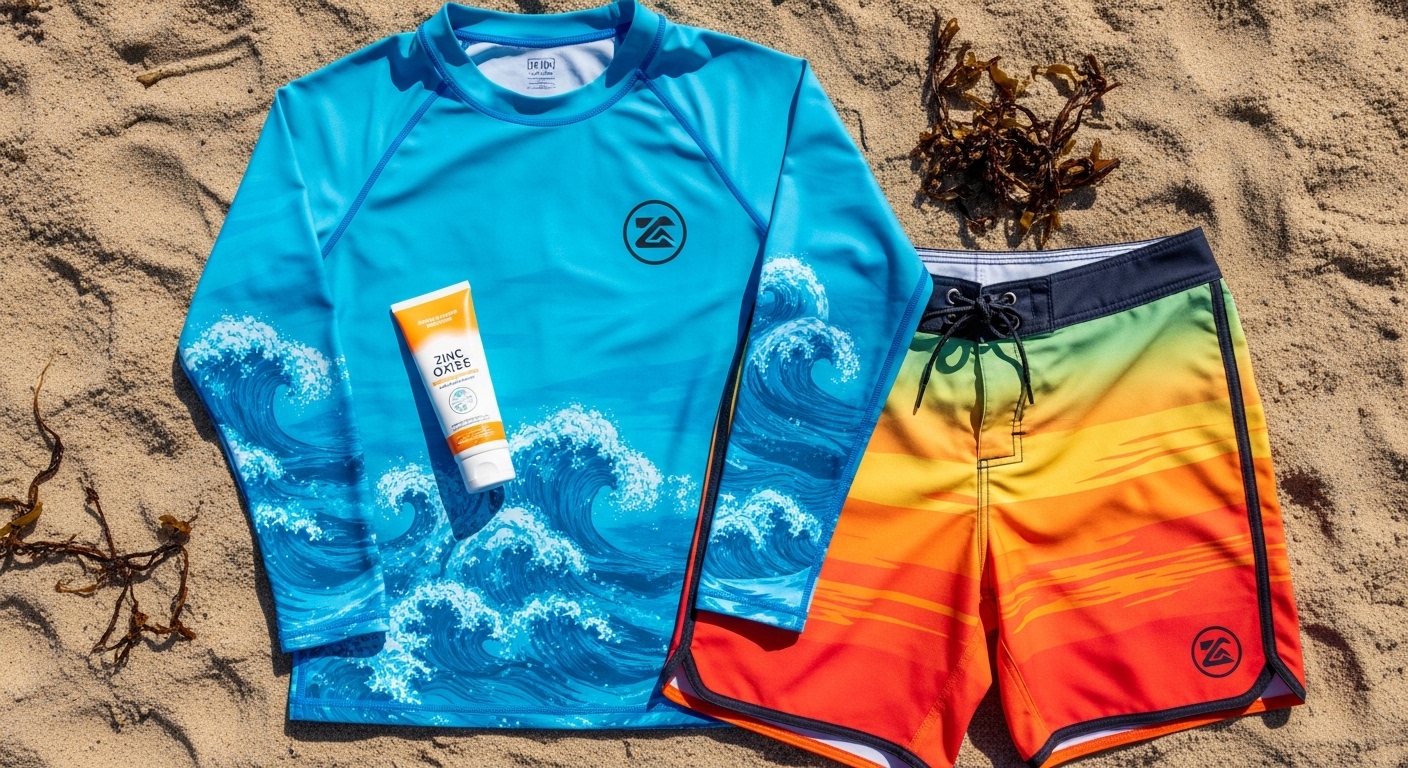
Surf clothing materials—like neoprene, polyester, and nylon—offer varying levels of comfort, flexibility, and protection. Picking the right material ensures you stay warm, move freely, and avoid irritation during extended sessions.
Neoprene, the mainstay of wetsuits, insulates body heat and remains flexible, crucial for paddling and maneuvering. Lightweight polyester and nylon are favored for rash guards due to fast drying and smooth skin feel. For tropical climates, breathable and moisture-wicking fabrics are essential, while thermal linings in winter suits trap heat on cold days. Seams and stitching also play a role: flatlock seams minimize chafing on soft skin, and glued-blind stitched seams enhance water resistance. Quality material isn’t just comfort—it’s your shield for all-day endurance.
Why is sun protection vital for all-day surfing sessions?
Sun protection in surf clothing guards you against harmful UV rays, dramatically reducing the risk of sunburn, skin damage, and long-term health issues like skin cancer after hours on the water.
Spending hours under direct sun reflects intense ultraviolet radiation off the ocean’s surface, amplifying exposure even on cloudy days. Unprotected skin can burn in under an hour. Choose surf clothing rated at UPF 50+ for maximum defense. Rash guards and tops with built-in UV protection are far superior to ordinary tees. Pair your gear with a good surf hat, zinc-based sunscreen for exposed skin, and sunglasses for bright afternoons. Layering UV-blocking clothing offers robust protection, letting you focus on the ride, not the risk.
- UPF 50+ rash guards block over 98% of UV rays
- Full-length surf leggings prevent leg burns and rashes
- Wide-brim hats protect face and neck during midday sessions
What wetsuit thickness and type should you choose for all seasons?
Wetsuit thickness and style depend on water temperature, session length, and your tolerance to cold. For most all-day surfing, 2mm to 4/3mm suits work well in warm to cool waters, and 5/4mm+ for cold climates.
The right wetsuit keeps your core temperature stable, enabling longer and safer surf. A 2mm spring or shorty suit is perfect for tropical conditions and warm summers. In moderate waters (60°F–68°F), a 3/2mm full suit balances warmth and mobility. For crisp mornings or cold-winter swells, a 4/3mm or thicker full suit—sometimes with hood, gloves, and booties—is mandatory. Remember, comfort is key: opt for flexible neoprene and ergonomic fits. Always rinse with fresh water after each session to prolong your suit’s lifespan.
| Water Temperature (°F) | Recommended Wetsuit Type | Thickness | Accessories Needed |
|---|---|---|---|
| 72°F and above | Rash guard, Boardshorts | 0.5–1.5mm | Optional hat, sunscreen |
| 65°F – 72°F | Spring suit | 2mm | Optional booties |
| 60°F – 65°F | Full suit | 3/2mm | Booties |
| 50°F – 60°F | Full suit | 4/3mm | Booties, gloves |
| <50°F | Winter full suit (hooded) | 5/4mm or thicker | Booties, gloves, hood |
Are there alternatives to wetsuits for tropical or warm conditions?
Yes, in warm climates, rash guards, surf leggings, and UV-protective tops offer excellent comfort and sun protection without the insulation and bulk of wetsuits, ensuring you stay cool and rash-free during long hot sessions.
Wetsuits can be overkill in tropical water and may even cause overheating. Instead, opt for rash guards—they’re lightweight, quick-dry, and shield against sunburn and board rash. Surf leggings or tights extend skin coverage from hips to ankles, crucial for reef breaks. Many tropical surfers pair rash guards with high-quality boardshorts or a swimsuit. Always check for UPF ratings, flatlock stitching for comfort, and a snug yet non-restrictive fit.
How can accessories improve comfort and endurance in long surfing sessions?
Surf accessories—like hats, booties, gloves, and earplugs—add extra protection, prevent injuries, and help you sustain your performance during all-day surf marathons by shielding vulnerable parts of your body.
The right accessories are about comfort and durability. Surf hats prevent sunstroke and shield eyes from glare. Booties protect feet from reefs, rocks, and cold. Gloves reduce hand fatigue and abrasions in rough water. Earplugs minimize the risk of surfer’s ear, a common issue for frequent surfers. Don’t overlook a sturdy leash and waterproof sunscreen. With the right accessories, you can focus on your session, not discomfort or minor injuries.
- Wear surf hats with chin straps for secure fit in heavy surf.
- Use thin neoprene booties in warm climates or thick ones for cold water sessions.
- Apply zinc-based sunscreen to exposed areas every 2 hours.
Can surf clothing impact your health and performance?
Absolutely. The right surf clothing reduces risks of sunburn, chafing, hypothermia, and fatigue, while the wrong attire can cause overheating, rashes, restricted movement, and even short sessions—preventing you from enjoying a full day in the water.
Ill-fitting or inappropriate gear leads to discomfort, skin disorders, and even infection in extreme cases. Tight clothing limits paddling; loose apparel can snag boards or create drag. Breathable, ergonomic, and flat-seamed surf wear enables better wave-catching, minimizes friction, and keeps your body temperature stable. Investing in proper surf clothing is an investment in your health, allowing you to push boundaries without compromise, session after session.
What are the top surf brands and their most recommended clothing lines?
Trusted brands for the best clothing for all-day surfing sessions include Rip Curl, O’Neill, Patagonia, Quiksilver, Billabong, and Roxy. Each offers dedicated lines focused on durability, comfort, sun protection, and innovative swimwear technology.
Rip Curl’s Flashbomb wetsuits and E-Bomb rash guards are top picks for cold and warm water versatility. O’Neill is acclaimed for ultra-flexible Hyperfreak suits and Skins series UV tops. Patagonia surfs ahead with eco-friendly Yulex rubber suits and gender-specific fits. Quiksilver and Billabong both shine with reliable wetsuits and premium rash guards. Roxy leads for women’s surf attire, blending style and technology. Check their latest product lines for all-season performance and innovative materials.
Conclusion: How do you make the best clothing choice for all-day surfing sessions?
Making the best clothing choice for all-day surfing sessions is about combining safety, comfort, and tailored performance. Assess your environment: match wetsuit thickness to temperature, choose UPF-rated rash guards or leggings for sun, and invest in accessories for full-body coverage. Trusted surf brands deliver gear packed with innovative tech, comfort seams, and materials designed for your needs. Remember, your surf attire is more than a style—it’s your essential tool for maximizing every session’s joy and minimizing risk. Gear up with purpose and ride every wave to the fullest—your next epic session starts with your clothing choice.
Ready to step up your surf gear? Explore the best surf clothing from leading brands today and make every session count!
FAQ: Best Clothing for All-Day Surfing Sessions
What is the best clothing for surfing in cold water?
A full wetsuit with 4/3mm to 5/4mm thickness, paired with neoprene booties, gloves, and a hood, offers maximum warmth and flexibility for cold-water sessions, preventing hypothermia and maintaining comfort over long hours.
Do rash guards really prevent board rash?
Yes, high-quality rash guards protect skin from friction with the surfboard and UV rays, drastically reducing irritation and redness, especially during prolonged surf sessions or when wearing boardshorts or swimsuits.
Can I use gym or swim shirts for surfing?
While possible, gym and basic swim shirts lack essential UPF ratings, seam strength, and saltwater durability found in surf-specific rash guards, leading to faster wear, discomfort, and inadequate sun or abrasion protection.
How often should I replace my wetsuit or rash guard?
Replace wetsuits every 2-4 years and rash guards every 1-2 years, depending on usage, care, and wear signs like thinning neoprene, loose seams, or persistent leaks. Regular rinsing and storage away from sunlight extend lifespan.
Is it necessary to wear leggings or long sleeves in tropical climates?
While not always necessary, leggings and long sleeves offer superior sun and stinger protection in tropical environments, especially during marathon sessions, and support better skin health for surfers with sensitive skin.
What accessories are must-haves for long surf sessions?
Must-have accessories include surf hats, booties, sunglasses, gloves, and zinc-based sunscreen. These items provide critical sun, abrasion, and temperature protection, allowing for longer, safer, and more comfortable sessions.
How do I wash and care for my surf clothing?
Rinse all surf clothing with fresh water after each session, avoid direct sunlight during drying, and store gear in cool, dry places. Use mild soap for deep cleaning, and never use a dryer or hot water to prevent material breakdown.
Read More Also: Six factors to consider when designing a commercial kitchen