
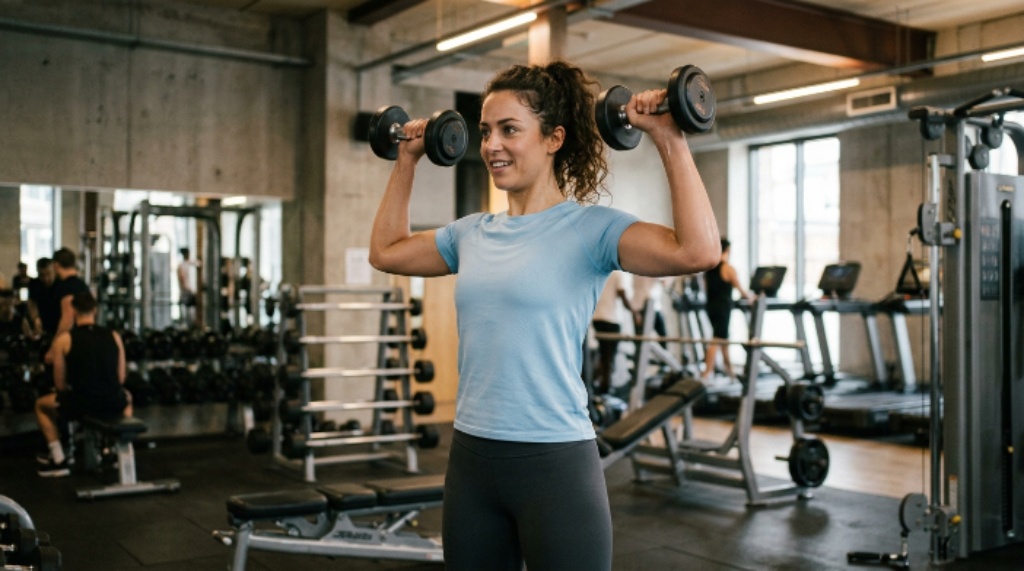
Finding the right workout t-shirt sounds simple. However, once you start shopping, the choices can feel overwhelming. There are hundreds of options in every color, cut, and fabric. Not all of them will serve you well during a hard session at the gym or a long run outside.
In 2026, activewear technology has come a long way. Fabrics are smarter, fits are more functional, and brands are more transparent about their materials. Therefore, this is actually a great time to invest in workout tops that will genuinely improve your performance and comfort.
This guide breaks down everything you need to know. From fabric types to fit styles, you will learn how to shop with confidence and get real value for your money.
Why Your Workout T-Shirt Matters More Than You Think
Most people focus on shoes and leggings when building a workout wardrobe. However, your top is just as important. A poor-quality shirt can cause chafing, trap heat, and distract you from your workout. On the other hand, the right shirt keeps you cool, dry, and comfortable from warm-up to cool-down.
The fabric your shirt is made from directly affects how your body regulates temperature during exercise. Additionally, the fit determines how freely you can move. These two factors alone can have a significant impact on your overall performance.
Therefore, choosing your workout t-shirt carefully is an investment in your fitness results, not just your appearance.
Understanding Workout Fabric: What the Labels Really Mean
Walk into any sportswear store and you will see labels filled with technical terms. It helps to know what these terms actually mean before you spend your money.
Polyester and Nylon Blends
These are the most common materials used in activewear today. Polyester dries quickly and holds its shape well over time. Nylon is softer and slightly more durable. Together, they create a fabric that is lightweight and easy to care for. Most breathable gym tees on the market today use some variation of this blend.
Moisture-Wicking Technology
This term refers to a fabric’s ability to pull sweat away from your skin and move it to the surface of the shirt, where it can evaporate quickly. Moisture-wicking shirts are especially useful for high-intensity workouts, hot yoga, or any activity where you sweat heavily. Without this feature, sweat sits against your skin and causes discomfort and skin irritation.
Cotton: Comfortable but Cautious
Cotton feels soft and natural. However, it absorbs sweat instead of moving it away from your skin. This makes cotton shirts heavy and clingy during intense exercise. Cotton is fine for light activities like walking or yoga at a gentle pace. For anything more demanding, a performance fabric is a better choice.
Bamboo and Recycled Fabrics
In 2026, sustainable fabrics are more popular than ever. Bamboo-based fabrics are naturally breathable and soft against the skin. Recycled polyester performs similarly to virgin polyester but with a lower environmental footprint. These are excellent options if sustainability matters to you.
Choosing the Right Fit for Your Workout
Fit is just as important as fabric. The right fit depends on the type of exercise you do and how you prefer to feel while working out.
Fitted or Compression Style
Fitted shirts hug your body closely. They reduce fabric movement during exercise, which minimizes distraction. Additionally, they can provide light compression that supports muscles during strength training or running. However, they may feel restrictive if you prefer more freedom of movement.
Relaxed or Loose Fit
Loose-fit shirts allow airflow around your body, which helps keep you cool. They are ideal for activities like weightlifting, cycling classes, or outdoor workouts in warm weather. However, very loose shirts can get caught on equipment, so look for a relaxed fit that still has a clean silhouette.
Cropped Length
Cropped workout tops have become a staple in women’s activewear. They offer excellent ventilation around the core and work well paired with high-waisted leggings. Therefore, if you run hot during exercise, a cropped length is worth considering.
Features That Make a Real Difference
Beyond fabric and fit, certain design features can elevate a workout shirt from ordinary to exceptional. Here is what to look for:
- Flatlock seams: These seams lie flat against the skin and greatly reduce the risk of chafing, especially during repetitive movements like running or cycling.
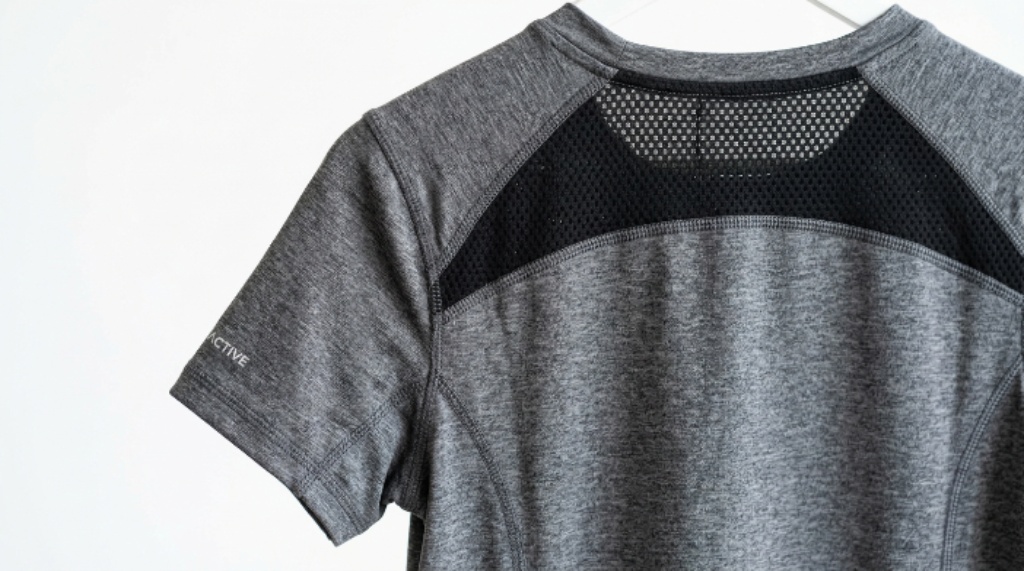
- Mesh panels: Strategically placed mesh panels improve airflow in high-heat zones like the back and underarms. This is one of the easiest ways to identify genuinely breathable gym tees.
- Anti-odor treatment: Some fabrics are treated with silver ions or other antimicrobial agents to reduce odor during and after exercise. This feature is especially helpful if you tend to sweat heavily.
- UPF sun protection: If you exercise outdoors regularly, look for a UPF rating of 30 or above. This protects your skin from harmful UV rays without requiring sunscreen on covered areas.
- Thumbholes: These small loops at the cuff keep your sleeves in place during activity and add a layer of coverage over your hands during cold-weather workouts.
Matching Your Shirt to Your Workout Type
Not every shirt suits every activity. Matching the shirt style to your workout makes a noticeable difference in how comfortable and confident you feel.
Running and Cardio
For running, choose a lightweight shirt with excellent moisture-wicking shirts properties. Look for flatlock seams to prevent chafing along the arms and shoulders. A fitted or semi-fitted style works best to minimize movement. Additionally, reflective details are a smart safety feature if you run in low-light conditions.
Strength Training and Gym Sessions
For the gym, you have more flexibility. A relaxed fit allows a full range of motion during squats, deadlifts, and overhead presses. However, make sure the shirt is not so loose that it bunches under a barbell or gets caught on a machine.
Yoga and Pilates
For yoga and Pilates, softness and stretch are the top priorities. Look for fabrics with a high percentage of elastane or spandex. A fitted cut helps your instructor see your alignment. Additionally, longer lengths or shirts with a tuck-in style prevent them from riding up during inversions and forward folds.
Outdoor and HIIT Workouts
For high-intensity or outdoor sessions, prioritize breathability above everything else. Shirts with mesh panels and moisture management technology are your best friend here. Therefore, when shopping for outdoor workout tops, always check the ventilation features before the color or style.
How to Evaluate Quality Before You Buy
Whether you are shopping in-store or online, a few quick checks will help you avoid poor-quality purchases.
First, examine the stitching. Quality workout shirts have tight, even stitching with no loose threads. Additionally, the seams should lie flat and feel smooth, not scratchy.
Second, stretch the fabric gently in multiple directions. A good workout shirt should return to its original shape immediately without pilling or distorting. If it stays stretched out, the elastane content is too low.
Third, hold the shirt up to light. High-quality performance fabrics are not see-through, even when stretched. If the fabric becomes transparent when you pull it, it will likely become an issue when you are actually moving in it.
Finally, check care instructions. Shirts that require special washing or cannot go in the dryer are inconvenient for a regular gym-goer. Look for machine-washable options that maintain their shape and color through repeated washing.
Budget vs. Investment: Finding the Right Balance
Workout shirts range widely in price. However, the most expensive option is not always the best one for your needs.
Budget options in the 5 to 0 range can perform surprisingly well for casual gym-goers. However, they may not last as long under heavy use. Additionally, cheaper shirts sometimes lose their moisture-wicking properties after repeated washing.
Mid-range options between 0 and 0 hit the sweet spot for most women. You get durable, high-performing fabrics without paying a premium for brand prestige.
Premium shirts above 0 often include advanced fabric technologies, better construction, and longer warranties. These are worth considering if you exercise five or more days per week and need gear that will hold up over time.
Therefore, think about how often you work out before deciding how much to spend. A casual exerciser and a daily athlete have very different needs.
Conclusion
Choosing the best exercise t-shirt does not have to be complicated. The key is to start with the right fabric, match the fit to your activity, and look for features that genuinely support your performance.
In 2026, you have more quality options available at more price points than ever before. Whether you prefer sustainable materials, compression fits, or loose relaxed styles, there is a workout top designed specifically for how you train.
Additionally, remember that a good shirt is a long-term investment. Treat it well with proper washing habits and it will return the favor through countless workouts. Focus on function first, and the style will follow naturally. Happy training.
Frequently Asked Questions
1. What is the best fabric for a women’s workout t-shirt?
Polyester and nylon blends are the top choices for performance. They dry quickly, hold their shape, and manage sweat effectively. If sustainability matters to you, look for recycled polyester or bamboo-based fabrics. Both offer similar performance with a lower environmental impact.
2. Can I wear a regular cotton t-shirt to the gym?
You can, but it is not ideal for intense exercise. Cotton absorbs sweat and becomes heavy and clingy, which can cause discomfort and chafing. For light activities like walking or gentle yoga, cotton is acceptable. However, for running, HIIT, or strength training, a performance fabric is a much better choice.
3. How do I stop my workout shirts from smelling after washing?
Wash your shirts immediately after working out, or at least rinse them if you cannot wash right away. Use a sports-specific detergent and avoid fabric softeners, which can clog the fabric’s moisture-wicking channels. Additionally, always air dry your workout tops rather than using high heat in a dryer.
4. What is the difference between moisture-wicking and quick-dry fabrics?
Moisture-wicking fabric actively pulls sweat away from your skin and pushes it to the outer surface of the fabric. Quick-dry fabric dries rapidly once wet. Many performance shirts do both. However, moisture-wicking is the more important feature for during-exercise comfort, while quick-dry is more relevant for post-workout drying time.
5. How many workout shirts do I need?
A good rule of thumb is to have one shirt per workout day plus one extra. So if you exercise four times a week, aim for five shirts. This gives you enough to rotate while one is in the wash. Having a sufficient rotation also extends the life of each individual shirt by reducing how frequently each one is washed.
Related Topics:
Five common at-home ear wax removal methods
