Taking your little ones on a Michigan trail is one of the most rewarding experiences a parent can have—until you realize you’re carrying everything: the water bottles, the snacks, the emergency jackets, and the inevitable collection of “treasures” they find along the way. That’s when you start shopping for the best kids hiking backpack Michigan families actually trust. But picking one isn’t just about finding the smallest bag on the shelf. You need a pack that fits your child’s growing body, survives the unique demands of Michigan’s changing seasons, and helps your kid build confidence on the trail. This guide breaks down exactly what to look for, what to avoid, and how to make the right choice without overspending.
Key Takeaways
- Fit comes before features—an ill-fitting pack will ruin a hike faster than any weather in Michigan. Always measure your child’s torso, not just their age.
- Weight matters more than capacity. A child should carry no more than 10–15% of their body weight, so choose a pack based on empty weight, not just how much it holds.
- Michigan’s unpredictable weather means you need a pack that handles both humid summer trails and unexpected spring showers, ideally with water-resistant materials.
- A hydration reservoir slot is a game-changer for Michigan hikes because kids drink more when they don’t have to stop and dig for a bottle.
- Look for adjustable suspension systems that can grow with your child, so the pack lasts several seasons rather than just one.
Why a Proper Kids Hiking Backpack Matters for Michigan Trails
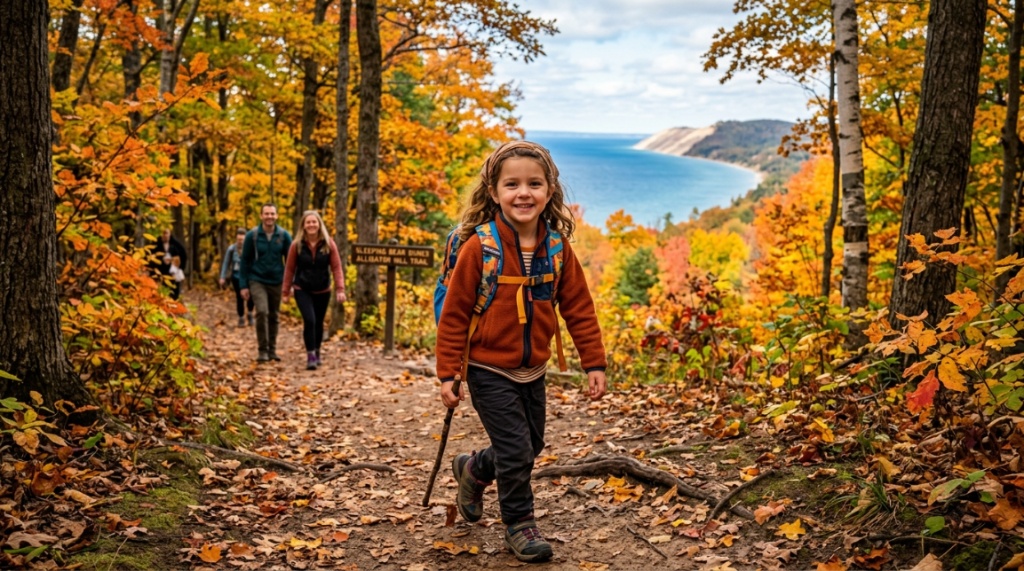
Michigan offers a remarkable variety of terrain—from the rolling dunes along Lake Michigan to the rugged trails of the Upper Peninsula and the dense hardwood forests of the Lower Peninsula. Each of these environments presents unique challenges for young hikers. A properly fitted backpack does more than just carry gear; it keeps your child balanced, reduces fatigue, and prevents strain on developing shoulders and backs.
When you choose the best kids hiking backpack Michigan families rely on, you’re ensuring that your child can participate fully in the adventure without discomfort. Many parents make the mistake of buying a larger pack “so they’ll grow into it.” That approach backfires. A pack that’s too big encourages overpacking, which leads to a heavy load that’s unsafe for a child’s still-developing musculoskeletal system. A properly sized pack, on the other hand, encourages independence—your child can carry their own snacks, water, and a lightweight layer, which builds confidence and trail skills.
How to Measure Your Child for the Right Pack Fit
Before you look at any products, you need to know your child’s torso length. This is the single most important factor in choosing a backpack, and it’s often overlooked. Unlike adult packs, kids’ packs are not one-size-fits-all, even if the manufacturers label them that way.
Step-by-Step Measuring Guide
- Find the C7 vertebra: This is the bony bump at the base of your child’s neck where the neck meets the shoulders. Have your child tilt their head forward to find it easily.
- Locate the iliac crest: Place your hands on your child’s hips so your thumbs point backward. The top of the hip bones you feel is the iliac crest.
- Measure the distance: Using a flexible measuring tape, measure the distance between the C7 vertebra and the iliac crest. This is the torso length.
For most kids, torso lengths fall roughly into these ranges:
| Age Range | Torso Length | Pack Capacity (Liters) |
|---|---|---|
| 3–5 years | 9–11 inches | 8–12 liters |
| 6–9 years | 11–14 inches | 12–18 liters |
| 10–12 years | 14–17 inches | 18–25 liters |
These are general guidelines, not strict rules. If your child is on the tall or short side for their age, rely on the measurement, not the age. A pack with an adjustable torso length—even a range of two or three inches—offers significant room to grow and adjust for seasonal layers.
What to Look for in a Kids’ Hiking Backpack
Once you know the correct fit, it’s time to evaluate the pack’s actual features. Not all kid-sized packs are built the same, and the differences matter when you’re on the trail.
Empty Weight Is Critical
The empty weight of a backpack is the baseline of what your child will carry. A pack that weighs 2 pounds empty reduces how much gear your child can comfortably carry. Look for packs weighing between 1 and 1.5 pounds for younger children. That lightweight construction means the manufacturer is using lighter materials, which often translates to better comfort for your child, For your next tropical family trip, check out our guide on how to choose anti-chafing balm for Hawaii to keep everyone comfortable on long walks, For your next tropical family trip, check out our guide on choose anti-chafing balm for Hawaii to keep everyone comfortable on long walks.
Hip Belt vs. No Hip Belt
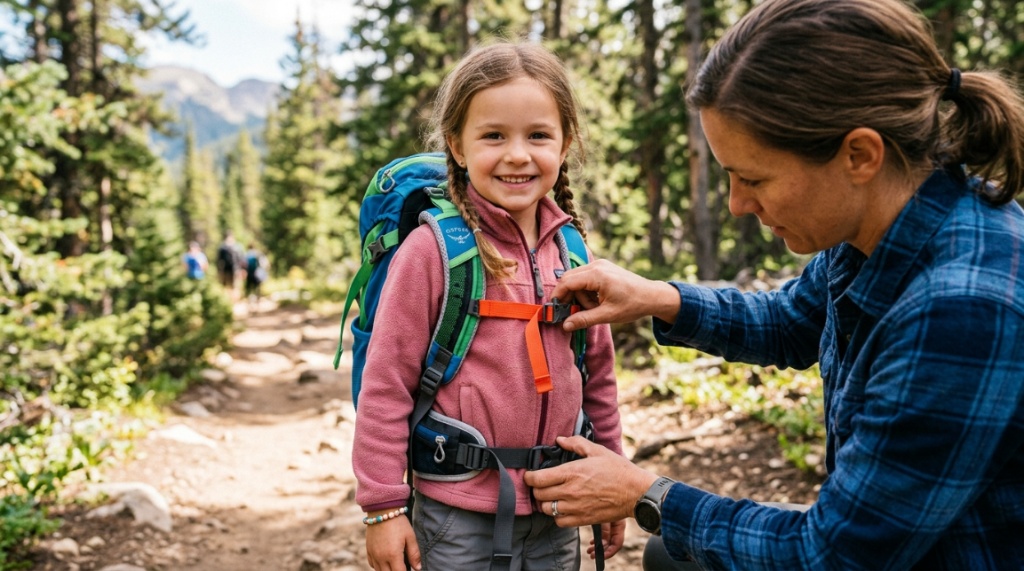
For any hike longer than a mile, a hip belt is essential. The hip belt transfers the weight of the pack from the shoulders to the stronger hip and leg muscles, and it stabilizes the pack so it doesn’t sway during movement. Many kids’ packs skip this feature to cut costs, but a pack with a simple, unpadded hip belt is far better for longer hikes on Michigan’s trails. For young children, adjustability matters more than padding—you want a belt that can cinch down snugly over the hips.
Hydration Compatibility
Michigan summers bring heat and humidity, especially in the southern part of the state. Kids don’t always stop to drink from a water bottle when they’re having fun, which makes dehydration a real risk. A backpack with a hydration reservoir sleeve and a hose port encourages more frequent sips without breaking stride. While many kids’ packs come with this feature, not all do. If the pack you’re considering doesn’t have it, check whether you can add a simple Velcro-secured reservoir inside the main compartment.
Chest Strap Placement
The chest strap—also called a sternum strap—helps hold the shoulder straps in place and prevents the pack from sliding side to side. Look for a strap that is vertically adjustable, not just fixed at one height. Children grow quickly, and a non-adjustable chest strap may end up pressing against the throat as your child grows.
Size Considerations: How Much Capacity Does a Kid Really Need?
The volume of a kids’ pack is often the primary selling point, but it can be misleading. A 30-liter pack might seem like a great deal, but for a child, it’s unnecessarily large. The more space available, the more your child (or you) will fill it, and the heavier it gets.
Age-Based Capacity Guidelines
- Preschoolers (ages 3–5): 8–12 liters is plenty. At this age, the pack is mostly for building good habits—carrying a small stuffed animal, a snack, and maybe a tiny water bottle. The goal is to keep the pack light and fun.
- Elementary age (ages 6–9): 12–18 liters works well. At this stage, kids can carry their own water, a lunch, a lightweight fleece or rain jacket, and a small first-aid kit. This capacity encourages independence without allowing for overpacking.
- Pre-teens (ages 10–12): 18–25 liters is appropriate. Pre-teens can handle a slightly larger load, including a water reservoir, extra layers, and perhaps a share of the group snacks. This is also the transition point for moving into an adult-sized pack in a year or two.
When Bigger Isn’t Better
A pack that’s too large encourages overpacking, which leads to loads exceeding the recommended 10–15% of body weight. For a 60-pound child, that means a maximum of 6–9 pounds including the pack itself. A pack with 20+ liters of space will tempt you to fill it with gear for a full day trip, pushing the weight to unsafe levels. Stick to the capacity range appropriate for your child’s age and torso length, and resist the urge to buy for future growth.
Special Considerations for Weather and Michigan’s Trail Conditions
Michigan’s weather is famously variable. A sunny morning can turn into a rainy afternoon within an hour, especially near the Great Lakes. The materials of the backpack matter more than you might think.
Water Resistance and Rain Covers
Look for a pack made from nylon with a durable water-repellent (DWR) finish. This keeps light rain and morning dew from soaking the pack’s contents. While some packs come with a built-in rain cover, many don’t. For Michigan’s coastal and lakeshore trails, where wind-driven rain is common, a pack with a removable rain cover or one that fits a universal cover is a practical advantage.
Even with DWR, zippers are a weak point. Look for packs with coated or sealed zippers, or at least zippers that have a protective flap over them. A dry bag liner inside the pack is a cheap, effective backup for keeping clothes and extra layers dry.
Traction and Movement
Michigan’s trails are often rooty and rocky—especially in the Porcupine Mountains and the North Country Trail sections—or sandy, like the Sleeping Bear Dunes. On these surfaces, pack stability is crucial for safety. A pack that shifts during a climb can throw a child off balance. The hip belt and chest strap play a significant role in keeping the pack snugged against the body. A simple compression strap on the sides of the pack also helps by pulling the load closer to the child’s center of gravity.
Common Mistakes Parents Make When Buying Kids’ Backpacks
Even seasoned hikers make avoidable errors when outfitting their kids. Knowing these mistakes can save you money, frustration, and uncomfortable trail days.
Mistake 1: Buying Based on Age Labels
Manufacturers label packs with age ranges, but age is a poor proxy for torso length. A seven-year-old who is in the 95th percentile for height will need a torso length closer to a ten-year-old’s. Always measure your child’s torso length and ignore the age label as your primary guide.
Mistake 2: Choosing Fashion Over Function
Kids love prints and bright colors, and that’s fine—but don’t let design override structure. A pack with a flimsy back panel, thin shoulder straps, and no hip belt will be miserable on a trail longer than a mile, regardless of how cool it looks. Find a pack that satisfies your child’s aesthetic preferences while still offering proper support.
Mistake 3: Overestimating What Kids Want to Carry
Many parents assume their child will carry their own sleeping bag and pad for camping trips. For most kids under 12, that’s unrealistic. If you’re planning an overnight campout, consider a separate trail-backpack arrangement or a frame-pack system that allows you to carry the heavier load while your child carries essentials. Don’t force a child to carry gear that pushes beyond the recommended weight limit just to make pack use more “legitimate.”
Finding the Right Balance Between Quality and Price
Kids grow quickly, so it’s tempting to buy the cheapest pack on the market. However, a pack that falls apart after three outings is not a bargain. The sweet spot for most Michigan families is a pack in the $40–$80 range from a reputable outdoor brand. These packs typically offer adjustable torso lengths, decent light-weight materials, and proper hip belts without top-of-the-line price tags.
If you are hiking every other weekend, consider a premium pack with a removable daypack feature or a lifetime warranty—that $120–$160 investment often pays off if you have multiple children who can use it over the years. Conversely, if you only hike a few times a year, a budget pack may suffice as long as it has the essential structure discussed earlier. Avoid packs that lack a hip belt or have non-adjustable shoulder straps, as these are signs of a cheap design built for casual school use rather than trail hiking.
Frequently Asked Questions
What is the right size backpack for a 5-year-old hiker?
A 5-year-old generally needs a pack with 8–12 liters of capacity and a torso length around 9–11 inches. Keep the load under 10% of their body weight, which usually means just a water bottle, a small snack, and a lightweight layer.
Should kids use a hydration bladder in their hiking pack?
If the pack has a hydration sleeve and hose port, yes. Kids drink more water when it’s hands-free and they don’t have to stop to open a clasp. Just make sure to clean the bladder after each trip to avoid mold—a common issue in humid Michigan summers.
Can a child use an adult backpack if it fits?
Only if the torso length matches and the shoulder straps are adjustable to sit snugly without gaping. Most adult packs have longer torso lengths and wider shoulder straps designed for adult builds, which can rub or pinch. A properly fitting kids’ pack is almost always a better choice for children under 12.
How much weight should a child carry while hiking?
The recommended maximum load for a child is 10–15% of their body weight, including the weight of the pack itself. So a 60-pound child should carry no more than 6–9 pounds total. This limit protects developing joints and prevents fatigue-related falls.
What features are essential for Michigan’s rainy, humid conditions?
Look for a pack with DWR-treated nylon, coated zippers, and compression straps to keep the load stable. A separate rain cover or a simple dry bag liner inside the main compartment is also the best way to protect gear from the sudden downpours common in the Great Lakes region.
Conclusion
Choosing the best kids hiking backpack Michigan families can rely on comes down to knowing your child’s measurements, prioritizing function over flash, and resisting the urge to overpack. Measure torso length, keep the empty weight under 1.5 pounds, and insist on a hip belt and adjustable chest strap. The capacity should be appropriate for your child’s age and trail experience—smaller is smarter. Once you have a properly fitted pack, let your child fill it with their own essentials, keep the load under 15% of their body weight, and get outside to explore Michigan’s woods, dunes, and shorelines. Your child will gain confidence with every step, and you’ll finally have your own shoulders free for the journey.