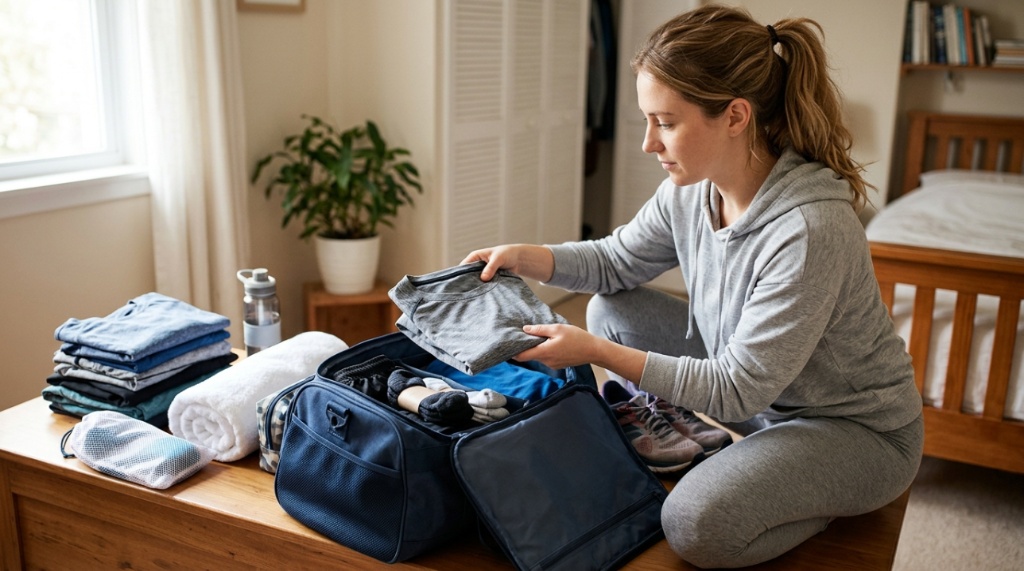
You’ve just crushed leg day. You’re exhausted, sweaty, and proud. But when you unzip your gym bag on the way home, a wave of damp, sour odor hits you. That smell is more than unpleasant—it’s a sign that bacteria are thriving in your gear. The problem is almost never the workout itself; it’s the bag you chose. Most standard bags trap moisture and heat, creating a perfect petri dish for odor-causing microbes. The solution starts with selecting a bag made from the right materials and designing your post-workout routine around them. Let’s fix this problem permanently.
Why Do Gym Bags Start Smelling So Fast?
The short answer is bacteria and moisture. Gym bags smell because synthetic fabrics like polyester and nylon trap sweat and skin oils. When air can’t circulate, bacteria multiply rapidly, producing volatile compounds that we perceive as odor.
Think of your gym bag as a sealed container. Every damp towel, sweaty shirt, and wet shoe you toss inside adds moisture. Without ventilation, that moisture has nowhere to go. The dark, warm environment inside becomes ideal for microbial growth. This is why a bag that smells fine after a light walk can reek after an intense HIIT session. The type of fabric matters immensely. Non-porous, coated materials like vinyl or cheap polyurethane can also trap odors inside the fibers, making them nearly impossible to remove completely.
How Moisture and Bacteria Interact
When you sweat, your skin releases salt, water, and oils. Bacteria naturally present on your skin feed on these compounds. In a closed gym bag, these bacteria multiply rapidly. The smell you notice is actually bacterial waste. A bag with poor airflow accelerates this process dramatically.
What Materials Prevent Odors in Gym Duffel Bags?
Look for gym bags made from technical performance fabrics like waterproof TPU-coated nylon, polyester with antimicrobial treatments, natural canvas, or breathable mesh. These materials either resist moisture absorption or actively inhibit bacterial growth.
Not all materials are created equal. Here’s a breakdown of what works best and what to avoid.
| Material | Odor Resistance | Durability | Ease of Cleaning | Best Used For |
|---|---|---|---|---|
| TPU-coated nylon | Excellent | High | Easy (wipe clean) | Wet gear, swim bags |
| Polyester (high denier) | Good (with treatment) | Moderate | Moderate (machine washable) | General gym use |
| Canvas (cotton) | Moderate | High | Moderate (spot clean) | Dry workouts, yoga |
| Vinyl or PVC | Poor | Moderate | Easy (wipe clean) | Avoid for sweaty gear |
| Nylon (standard) | Fair | Moderate | Moderate (machine washable) | Occasional use |
Why Antimicrobial Fabrics Matter
Many modern gym duffel bags now incorporate antimicrobial treatments like silver ions or zinc pyrithione. These additives kill bacteria on contact before they can multiply. If you train every day, this feature alone can extend the time between deep cleans significantly.
How Does Ventilation Design Affect Odor Control?
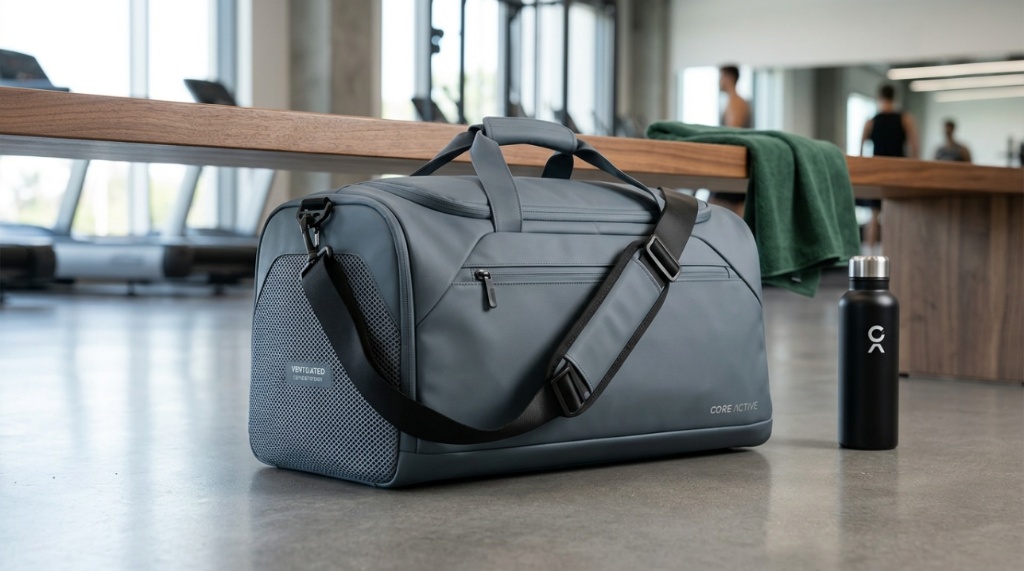
Ventilation is your strongest ally against gym bag odor. A bag with mesh panels, separate shoe compartments, or external drains allows moisture to escape and air to circulate, drying out gear faster and starving bacteria of the moisture they need to survive.
Look for these specific ventilation features:
- Separate shoe compartment – Keeps dirty, damp footwear isolated from your clean clothes. Ideally, this compartment should have its own ventilation.
- Mesh side pockets – Perfect for damp towels or water bottles. Mesh allows air to flow through while containing items.
- Breathable main compartment lining – Some bags use a perforated or mesh inner lining that prevents moisture from pooling against the outer shell.
- External wet pocket – A dedicated, often waterproof, compartment for sweaty clothes that can be accessed from the outside without opening the main bag.
The Difference Between Waterproof and Water-Resistant
Waterproof bags (like those made from TPU) keep moisture inside. This is excellent for protecting your dry items from a wet towel, but it means the moisture stays trapped. Water-resistant bags allow some evaporation while still shedding light rain. For odor control, a water-resistant bag with ventilation is generally preferable to a fully sealed waterproof bag.
Can You Wash a Gym Bag to Remove Odor?
Yes, but only if the bag’s material allows it. Many polyester and canvas bags can be machine washed on a gentle cycle with a mild detergent. However, bags with stiffened bottoms, electronic components, or waterproof coatings may be damaged by washing.
Here is a safe step-by-step process for machine washing a gym duffel bag:
- Empty the bag completely. Turn all pockets inside out and shake out loose debris.
- Pre-treat heavily soiled areas with a small amount of laundry detergent or baking soda paste.
- Place the bag inside a mesh laundry bag to protect straps and zippers.
- Use cold water and a gentle cycle. Add one cup of white vinegar to the rinse cycle—this neutralizes odors naturally.
- Air dry completely. Never put a gym bag in the dryer, as heat can warp materials and damage waterproof coatings. Drying can take 24-48 hours.
When to Spot Clean Instead
For bags with leather accents, coated fabrics, or complex construction, spot cleaning is safer. Mix a solution of warm water and mild soap, dip a soft cloth, and wipe down the interior and exterior. For stubborn odors, sprinkle baking soda inside, let it sit overnight, then vacuum it out.
Which Gym Bag Features Are Worth Paying For?
Prioritize features that directly combat odor: a separate vented shoe pocket, antimicrobial lining, a dedicated wet/dry compartment, and a material that can be easily wiped clean or machine washed.
Consider these feature tiers based on your training frequency:
- Casual gym-goer (1-2 times/week): A basic polyester bag with a mesh pocket is likely sufficient. Wash it monthly.
- Regular lifter (3-4 times/week): Invest in a bag with a separate shoe compartment and antimicrobial lining. Spot clean weekly.
- Daily athlete or CrossFitter (5+ times/week): Choose a TPU-coated bag or one with a dedicated wet/dry system. Expect to wipe down the interior after every use.
How to Dry Your Gym Bag Properly After Each Use
Drying your gym bag is arguably more important than washing it. After every workout, unzip all compartments and turn the bag inside out if possible. Hang it in a well-ventilated area for at least one hour before storing it closed.
Here’s a quick drying checklist:
- Unzip every zipper, including small pockets.
- Remove any damp items immediately (towels, clothes, shoes).
- Hang the bag upside down to let gravity drain moisture.
- Use a small fan or place it near an open window for faster airflow.
The 30-Second Post-Workout Habit
Start a simple routine: when you walk in the door, spend 30 seconds unzipping your bag completely and placing it over the back of a chair or a hook. This small habit prevents 90% of odor buildup because it allows the bag to dry before bacteria can multiply.
Is a Separate Shoe Compartment Really Necessary?
For odor control, yes. Shoes are the single largest source of odor in any gym bag. A separate compartment, especially one with its own ventilation, prevents the bacteria from your footwear from contaminating your clean clothes and the main bag interior.
Without a separate shoe compartment, your sweaty sneakers touch everything inside the bag. Even if you use a plastic bag, it traps moisture and concentrates odor. A dedicated shoe pocket with mesh panels allows shoes to dry while keeping them physically separated. If your bag doesn’t have this feature, consider using a reusable dry bag for your shoes instead.
What Are the Best Odor-Fighting Accessories for Any Gym Bag?
Even the best bag benefits from a few simple accessories. These tools actively reduce moisture and kill bacteria, making your bag last longer and smell fresher.
- Silica gel packs – Reusable silica packs absorb ambient moisture. Place one in the main compartment and one in the shoe pocket.
- Activated charcoal bags – These natural deodorizers absorb odors without adding fragrance. They last about two months and can be recharged in sunlight.
- Dry bags for wet clothes – A small, dedicated dry bag keeps your soaked gear contained and prevents moisture from spreading.
- Antimicrobial wipes – Keep a pack in your car or bag for a quick interior wipe-down after every workout.
Why You Should Avoid Fabric Softener
Many people use fabric softener or dryer sheets to make their bag smell good. However, fabric softener coats fibers with a waxy residue that actually traps bacteria and reduces breathability. Over time, this makes odor problems worse. Stick to vinegar or enzyme-based cleaners.
How Often Should You Replace Your Gym Duffel Bag?
A high-quality gym bag should last one to three years with regular use. Replace it when the material starts to fray, zippers fail, or when persistent odors remain even after deep cleaning.
A bag that smells musty even after washing has likely absorbed bacteria into its foam layers or inner padding. Once this happens, no amount of cleaning will fully remove the odor. This is a sign that the bag’s construction has broken down. When shopping for your next bag, prioritize models with minimal foam padding and easily washable liners.
Looking for more smart packing gear? If you are transitioning from packing your own workout gear to packing for a little one, check out our guide on the Best Baby Travel Accessories for New Parents to keep your family trips just as organized.
Conclusion
Choosing a gym bag that doesn’t smell is not about buying the most expensive option. It is about understanding material science and building simple habits. Focus on bags made from technical, moisture-resistant fabrics like TPU-coated nylon or antimicrobial polyester. Prioritize ventilation features such as mesh panels and separate shoe compartments. Develop the 30-second habit of airing out your bag after every workout. With the right bag and a consistent drying routine, you can eliminate gym bag odor entirely. Your gear, your car, and your workout partners will thank you. Start by evaluating your current bag’s material and ventilation, and upgrade if necessary—your nose will notice the difference immediately.
Frequently Asked Questions
Can I use bleach to clean a smelly gym bag?
Bleach is not recommended for most gym bags. It can damage fabrics, discolor materials, and break down waterproof coatings. Use white vinegar, baking soda, or an enzyme-based sports detergent instead.
How do I get rid of mildew smell from a gym bag?
Fill the bag with a mixture of equal parts white vinegar and warm water. Let it soak for 30 minutes. Then rinse thoroughly and air dry in direct sunlight. Sunlight is a natural disinfectant and odor neutralizer.
Is leather a good material for a gym duffel bag?
Leather is durable and stylish, but it is not ideal for sweaty gym gear. Leather is porous and absorbs moisture, leading to odor and potential cracking. If you prefer leather, use it for a dry only-lifting bag and never store damp clothes inside.
What is the best way to dry a gym bag overnight?
Unzip all compartments completely, turn the bag inside out, and hang it over the edge of a shower rod or a door. Place a small fan nearby to circulate air. In a dry climate, this typically takes four to six hours.
Do gym bag deodorizers actually work?
Yes, but only as a temporary fix. Activated charcoal bags and baking soda absorbers can neutralize existing odors, but they do not eliminate the source of moisture or bacteria. Use them alongside proper drying habits.
Can I put my gym bag in the washing machine every week?
Only if the manufacturer’s care label permits it. Frequent machine washing can wear out straps, zippers, and waterproof coatings. For weekly maintenance, spot cleaning and thorough air drying are preferable to full machine washes.
What should I look for in a gym bag for heavy sweaters?
Heavy sweaters need a bag with a dedicated, sealed wet pocket for damp clothes and a highly breathable main compartment. TPU-coated bags with multiple mesh sections are ideal. Always air out the bag immediately after use.