
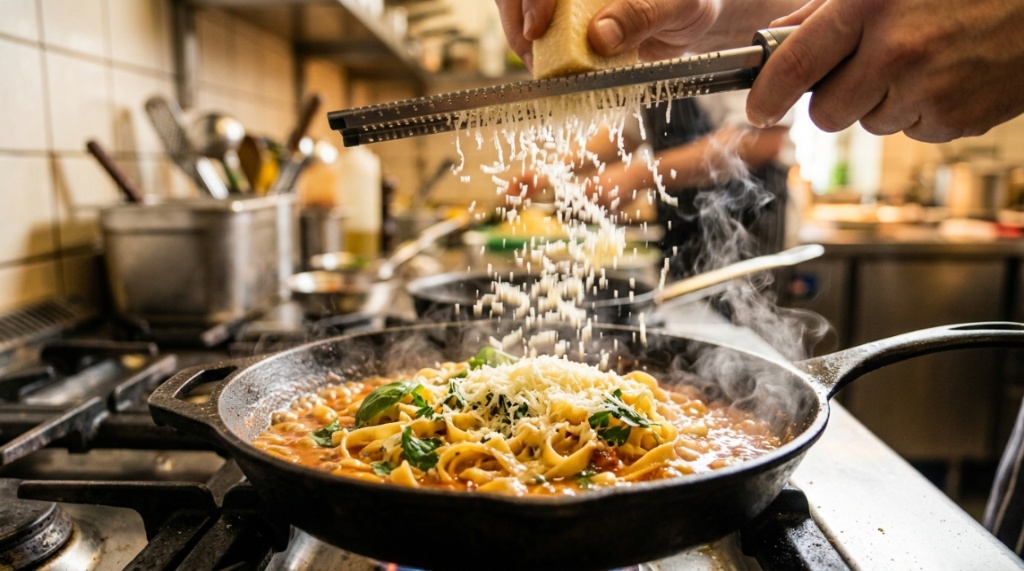
The difference between restaurant-quality pasta and a bowl of sticky, greasy noodles often comes down to one overlooked decision: choosing the right cheese. A single handful of the wrong cheese can separate a silky sauce into oily pools, while the right cheese transforms cream, butter, and pasta water into a smooth, luxurious coating. If you’re searching for the perfect cheese for creamy pasta, the answer is simple: choose cheeses that melt smoothly, complement the sauce, and enhance rather than overpower the dish.
Many home cooks assume any cheese can be stirred into pasta and produce a creamy result. Unfortunately, that’s one of the fastest ways to ruin texture and flavor. Some cheeses become grainy, some release excess oil, and others dominate the entire dish. Whether you’re making Alfredo, mac and cheese, carbonara-inspired recipes, or other creamy pasta recipes, understanding how cheese behaves when heated is the key to success.
This guide explains exactly how to choose the best cheese, which varieties melt beautifully, which ones to avoid, and how professional chefs create rich pasta sauces with balanced flavor and perfect texture every time.
What Is the Best Cheese for Creamy Pasta?
The best cheese for creamy pasta is one that melts evenly, blends smoothly into sauces, and complements the other ingredients without overwhelming them.
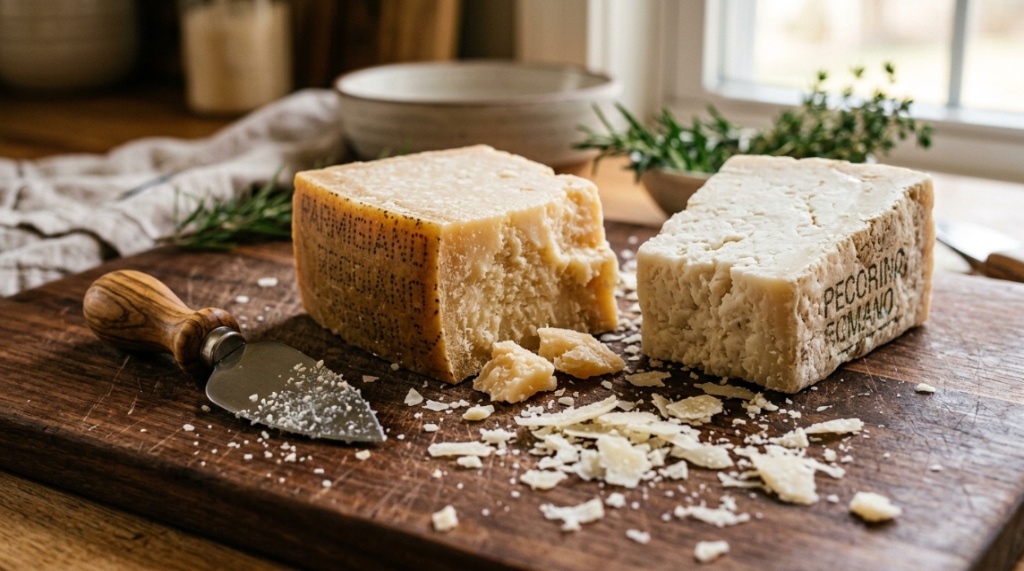
Classic options include Parmesan, Pecorino Romano, Gruyère, Fontina, Mozzarella, and certain types of cheddar. These cheeses contain the right balance of moisture, protein, and fat needed for smooth melting.
Many professional chefs consider Parmesan the gold standard because it adds richness, umami, and complexity without making sauces excessively heavy. If you’re exploring premium regional cheese options, this guide to Wisconsin cheeses that work exceptionally well in pasta dishes provides excellent examples of high-quality varieties suitable for creamy sauces.
The ideal choice depends on the pasta style:
- Alfredo: Parmesan and Pecorino Romano
- Mac and cheese: Sharp cheddar and Gruyère
- Baked pasta: Mozzarella and Fontina
- Cream-based mushroom pasta: Parmesan and Gruyère
- Seafood pasta: Parmesan in moderation
- Four-cheese pasta: Blend of multiple melting cheeses
Why Does Cheese Choice Matter So Much in Creamy Pasta Recipes?
Cheese determines the sauce’s texture, consistency, richness, and overall flavor profile.
When heated, cheese proteins loosen while fat melts. The balance between these components determines whether a sauce becomes silky or separates into clumps and oil.
Three major factors influence performance:
1. Moisture Content
Higher-moisture cheeses generally melt more smoothly. Examples include Fontina, Mozzarella, and Havarti.
2. Fat Content
Fat contributes richness and creaminess. However, excessive fat can cause oily separation if the sauce overheats.
3. Protein Structure
Aged cheeses develop tighter protein networks. While they provide exceptional flavor, they must often be combined carefully with liquid ingredients to avoid graininess.
This is why freshly grated Parmesan melts better than pre-shredded packaged cheese, which often contains anti-caking agents that interfere with smooth blending.
Which Alfredo Cheese Creates the Smoothest Sauce?
Authentic Alfredo cheese is Parmesan, though many modern recipes combine Parmesan with other cheeses for added creaminess.
Traditional Roman-style Alfredo relied on only three ingredients:
- Fresh pasta
- Butter
- Parmigiano-Reggiano
Today, many creamy Alfredo recipes include heavy cream and additional cheeses.
| Cheese | Flavor | Melting Quality | Best Use |
|---|---|---|---|
| Parmigiano-Reggiano | Nutty, savory | Excellent when finely grated | Classic Alfredo |
| Pecorino Romano | Sharp, salty | Very good | Traditional Italian sauces |
| Fontina | Buttery | Outstanding | Extra creamy Alfredo |
| Gruyère | Nutty, complex | Excellent | Luxury cream sauces |
| Mozzarella | Mild | Very smooth | Baked Alfredo dishes |
For the smoothest Alfredo cheese combination, many chefs prefer approximately 70% Parmesan and 30% Fontina.
What Makes a Cheese a Good Melting Cheese?
A good melting cheese contains balanced moisture, protein, and fat that allow it to liquefy evenly without separating.
Not all cheeses are designed to melt. Some are intended for crumbling, slicing, or finishing dishes.
The best melting cheese varieties include:
- Fontina
- Gruyère
- Mozzarella
- Monterey Jack
- Young cheddar
- Havarti
- Provolone
- Gouda
These cheeses produce smooth textures because their protein structures loosen gradually under heat.
By contrast, highly aged cheeses often require careful temperature control to maintain creaminess.
Which Cheeses Should You Avoid in Creamy Pasta?
Some cheeses can create grainy, oily, or unpleasant textures when used as the primary sauce ingredient.
Common problem cheeses include:
- Feta
- Halloumi
- Queso fresco
- Cotija
- Aged goat cheese
- Dry crumbly blue cheeses
These cheeses may still add flavor but should generally be used as toppings rather than the main sauce base.
Common mistakes include:
- Adding cheese over high heat
- Using pre-shredded cheese
- Skipping pasta water
- Overheating cream sauces
- Using only strongly flavored cheeses
Should You Use One Cheese or a Blend of Cheeses?
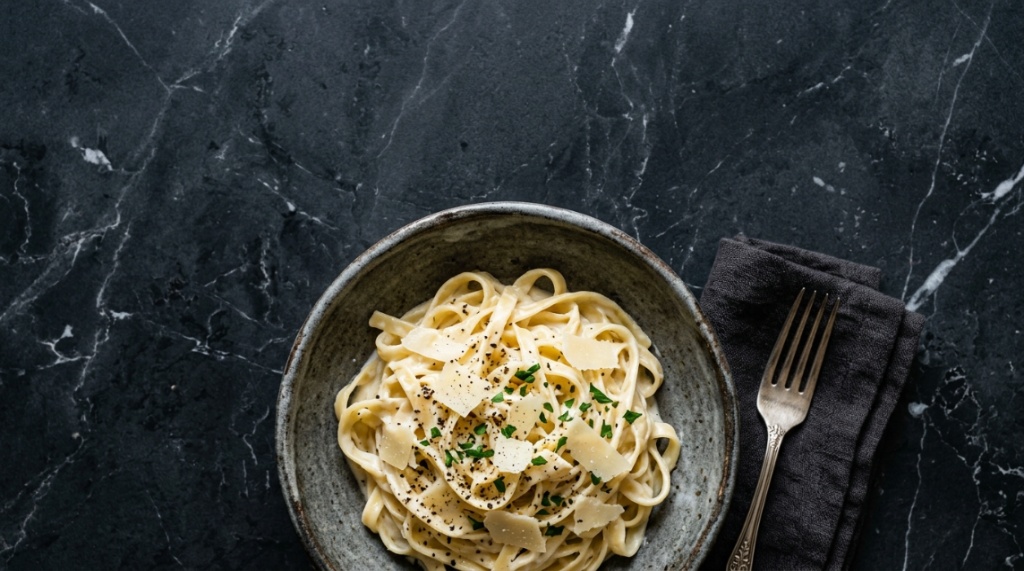
A cheese blend often creates better flavor complexity and texture than a single cheese.
Professional kitchens frequently combine multiple cheeses because each contributes different characteristics.
Typical roles include:
- Parmesan for umami and depth
- Fontina for creaminess
- Gruyère for complexity
- Mozzarella for stretchiness
- Cheddar for bold flavor
A balanced blend allows each cheese to compensate for another’s weaknesses.
For example:
- 50% Parmesan
- 30% Fontina
- 20% Gruyère
This combination creates exceptional richness while maintaining stability.
How Does Pasta Water Improve Cheese Sauces?
Pasta water helps cheese emulsify with fats and liquids, creating a smoother and more stable sauce.
During cooking, pasta releases starch into the water. This starch acts as a natural emulsifier that helps bind:
- Cheese fat
- Butter
- Cream
- Water
Instead of separating, the ingredients combine into a glossy sauce that clings to pasta.
Professional chefs rarely discard pasta water before finishing the sauce.
A useful rule:
- Reserve 1–2 cups of pasta water before draining.
- Add gradually while mixing cheese.
- Adjust consistency as needed.
What Cheese Works Best for Different Pasta Types?
Different pasta shapes pair better with specific cheeses because sauce retention varies by shape.
| Pasta Type | Best Cheese | Reason |
|---|---|---|
| Fettuccine | Parmesan | Classic Alfredo pairing |
| Penne | Fontina | Holds creamy sauce well |
| Rigatoni | Gruyère | Captures rich sauces |
| Macaroni | Cheddar | Traditional mac and cheese |
| Spaghetti | Pecorino Romano | Excellent for lighter sauces |
| Shells | Mozzarella blend | Ideal for baked dishes |
How Do Restaurants Make Pasta Sauces So Creamy?
Restaurants rely on technique more than excessive cream or cheese.
Professional kitchens typically:
- Use freshly grated cheese
- Control sauce temperature carefully
- Reserve pasta water
- Finish cooking pasta in sauce
- Add cheese gradually
- Use premium aged cheeses
The result is a sauce that tastes richer despite often containing fewer ingredients.
Many chefs also remove the pan from direct heat before incorporating cheese. Birthday Gift Basket: This prevents protein tightening and helps maintain a smooth texture.
Can Plant-Based Cheeses Create Creamy Pasta?
Yes, modern plant-based cheeses can produce creamy pasta when chosen carefully.
Many dairy-free options now use:
- Cashews
- Coconut oil
- Almonds
- Oats
- Potato starch
The most successful dairy-free pasta sauces often combine vegan cheese with blended cashew cream for improved stability.
When selecting dairy-free options, prioritize products specifically formulated for melting rather than slicing.
What Is the Best Method for Adding Cheese to Pasta Sauce?
Add cheese gradually over low heat while stirring continuously.
Following this process prevents clumping and separation:
- Cook pasta until al dente.
- Reserve pasta water.
- Prepare sauce base.
- Reduce heat.
- Add cheese slowly.
- Stir constantly.
- Add pasta water as needed.
- Toss pasta thoroughly.
- Serve immediately.
This method maximizes smoothness while preserving flavor integrity.
Conclusion: How Can You Choose the Perfect Cheese for Creamy Pasta Every Time?
The perfect cheese for creamy pasta balances flavor, melting performance, and texture. Parmesan remains the benchmark for classic Alfredo cheese sauces, while Fontina, Gruyère, Mozzarella, and quality cheddar provide outstanding results in other creamy pasta recipes.
The most important rules are simple: use freshly grated cheese, avoid excessive heat, reserve pasta water, and choose cheeses known for smooth melting. A thoughtful blend often produces the richest and most balanced sauce.
Whether you’re preparing a traditional Alfredo, baked pasta casserole, gourmet mushroom fettuccine, or family-style mac and cheese, selecting the right melting cheese transforms the entire dish. Experiment with combinations, refine your technique, and you’ll consistently create restaurant-quality pasta at home.
Ready to upgrade your next pasta night? Start with high-quality cheese, focus on technique, and discover how small ingredient choices create dramatically better flavor.
Frequently Asked Questions
What is the best cheese for creamy pasta?
Parmesan is generally considered the best cheese for creamy pasta because it provides rich flavor, smooth emulsification, and authentic Italian character. Fontina and Gruyère are also excellent choices for extra creaminess.
Can I use cheddar cheese in creamy pasta recipes?
Yes. Young or medium cheddar melts smoothly and works especially well in mac and cheese. Extremely aged cheddar may become grainy if overheated.
Why does my cheese sauce become grainy?
Graininess usually occurs when cheese is added over excessive heat, melted too quickly, or made with pre-shredded cheese containing anti-caking agents.
What is the best Alfredo cheese combination?
A blend of Parmesan and Fontina creates excellent flavor and texture. Parmesan provides savory depth while Fontina contributes exceptional creaminess.
Should cheese be added before or after cream?
Cheese should generally be added after the cream has warmed. Lower the heat before incorporating cheese to prevent separation.
Can mozzarella be used for creamy pasta sauce?
Yes. Mozzarella melts smoothly and adds creaminess, although it has a milder flavor than Parmesan or Gruyère. It works particularly well in baked pasta dishes.
Is freshly grated cheese better than packaged shredded cheese?
Yes. Freshly grated cheese melts more smoothly because it lacks the anti-caking additives commonly found in packaged shredded cheese.