
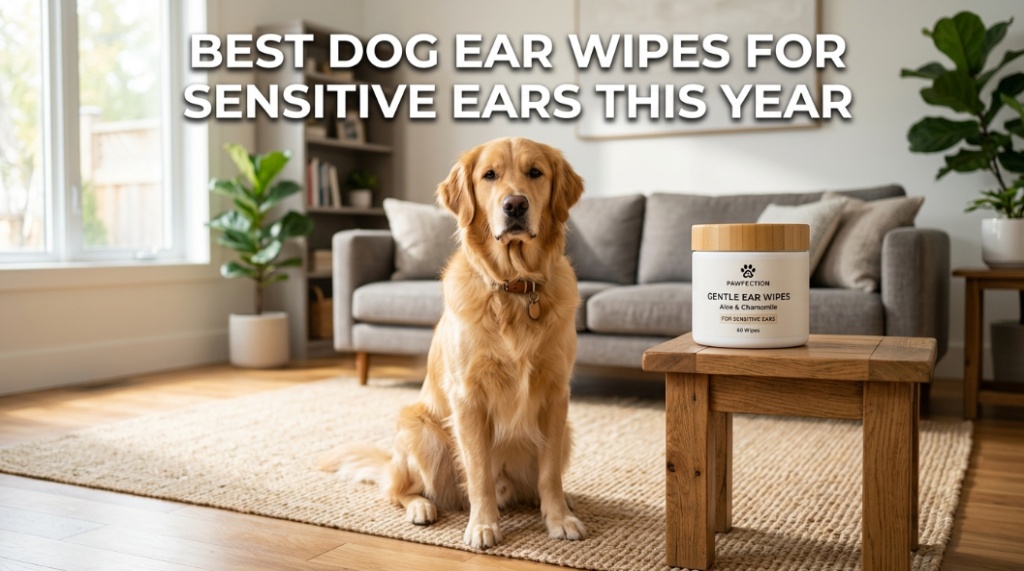
Dogs scratch their ears more often than most owners notice, but when that scratching turns into redness, odor, or constant head shaking, it usually points to irritation caused by harsh cleaners instead of dirt alone. Best dog ear wipes for sensitive ears are typically alcohol-free ear wipes and hypoallergenic wipes designed to clean wax, debris, and moisture without damaging the delicate skin inside the ear canal. Many veterinarians now recommend gentle ear-cleaning routines because recurring ear irritation affects nearly 20% of dogs, especially breeds with floppy or hairy ears.
Why Are Sensitive Dog Ears Harder to Clean Safely?
Sensitive dog ears react quickly to strong chemicals, artificial fragrance, drying alcohol, and rough cleaning materials. Using the wrong ear wipe can trigger inflammation, itching, or secondary infections.
Many dog owners unknowingly worsen ear problems by over-cleaning or choosing wipes designed for heavy-duty odor control instead of sensitive skin support. Breeds like Cocker Spaniels, Golden Retrievers, Basset Hounds, and Poodles are especially prone to moisture buildup because their ear shape traps humidity and debris.
Common signs of ear sensitivity include:
- Frequent scratching
- Head shaking
- Red or warm ears
- Strong odor
- Dark wax buildup
- Sensitivity during cleaning
- Dry or flaky skin around ears
Veterinary dermatologists often recommend alcohol-free ear wipes because alcohol strips natural oils from the skin barrier. When this barrier weakens, bacteria and yeast grow more easily.
What Are Alcohol-Free Ear Wipes for Dogs?
Alcohol-free ear wipes are pre-moistened cleaning pads formulated without ethanol or drying alcohol compounds. They clean debris and wax while preserving the skin’s natural moisture barrier.
Unlike traditional ear cleaners, alcohol-free wipes use gentler ingredients such as:
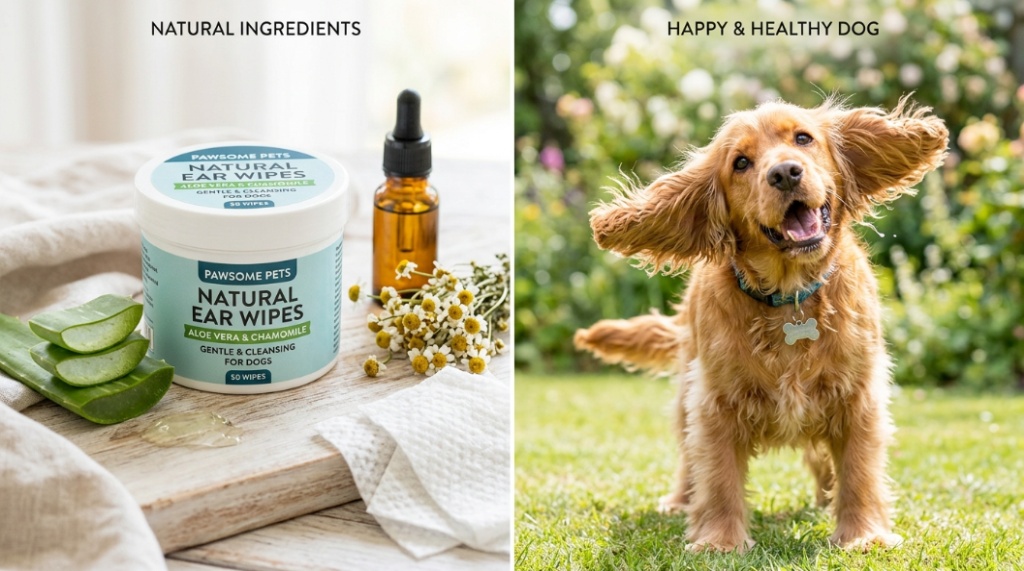
- Aloe vera
- Witch hazel
- Coconut-derived cleansers
- Chamomile extract
- Oatmeal
- Purified water solutions
These ingredients help reduce irritation while still removing buildup inside the outer ear flap and accessible ear canal area.
Benefits of alcohol-free ear wipes include:
- Less stinging during cleaning
- Lower risk of dryness
- Safer for regular maintenance
- Better for allergy-prone dogs
- Reduced inflammation risk
What Makes Hypoallergenic Wipes Better for Sensitive Dogs?
Hypoallergenic wipes reduce exposure to ingredients commonly linked to allergic reactions, including artificial fragrance, parabens, sulfates, and harsh preservatives.
Dogs with environmental allergies often develop ear irritation because allergens collect around moist ear tissue. Hypoallergenic wipes minimize additional irritation during cleaning.
Look for these labels when choosing hypoallergenic wipes:
- Fragrance-free
- Alcohol-free
- Paraben-free
- Veterinarian-formulated
- pH-balanced
- Dermatologist-tested
Some premium dog ear wipes also contain antimicrobial ingredients like chlorhexidine or ketoconazole. These may help dogs prone to yeast buildup, but owners should avoid overusing medicated wipes unless advised by a veterinarian.
Which Ingredients Should You Avoid in Dog Ear Wipes?
Harsh chemicals can worsen irritation and increase inflammation inside sensitive ears. Avoid wipes containing strong drying agents or unnecessary fragrance Pompe your Dog at Home.
| Ingredient | Why It Can Be Harmful |
|---|---|
| Alcohol | Causes dryness and stinging |
| Artificial fragrance | Triggers allergic reactions |
| Hydrogen peroxide | Can irritate damaged skin |
| Parabens | Potential skin sensitivity issues |
| Sulfates | Strips protective oils |
| Essential oils (strong types) | May irritate sensitive dogs |
If a dog already has redness, sores, bleeding, or severe odor, ear wipes alone may not solve the issue. Chronic ear infections often require veterinary treatment.
How Often Should You Use Ear Wipes on Dogs?
Most dogs benefit from ear cleaning once or twice weekly, but frequency depends on breed, activity level, allergies, and ear shape.
Dogs that swim frequently or spend time outdoors may need more regular ear maintenance because moisture encourages bacterial growth.
General ear-cleaning frequency guidelines:
- Healthy short-ear breeds: once weekly
- Floppy-ear breeds: 2–3 times weekly
- Swimming dogs: after water exposure
- Dogs with allergies: based on veterinarian guidance
Over-cleaning can also create problems. Excess wiping may strip protective oils and irritate the skin barrier.
What Are the Best Dog Ear Wipes for Sensitive Ears This Year?
The best dog ear wipes combine gentle cleansing ingredients, hypoallergenic formulations, and veterinarian-backed safety standards.
| Product Type | Best For | Key Features |
|---|---|---|
| Alcohol-free wipes | Dry or irritated ears | Gentle daily cleaning |
| Hypoallergenic wipes | Allergy-prone dogs | Fragrance-free formulas |
| Medicated wipes | Yeast-prone dogs | Antimicrobial support |
| Plant-based wipes | Natural-care routines | Aloe and oatmeal blends |
| Extra-large wipes | Large dog breeds | Better coverage area |
Top-performing ear wipes this year commonly include:
- Aloe vera for soothing irritation
- Oatmeal for calming inflamed skin
- Chlorhexidine for antimicrobial support
- Witch hazel for gentle cleansing
- Coconut-derived cleansers for non-drying cleaning
Are Medicated Ear Wipes Safe for Sensitive Ears?
Medicated ear wipes can help dogs with recurring yeast or bacterial buildup, but they should only be used when necessary.
Many medicated wipes contain antifungal or antibacterial agents that control odor and discharge. However, frequent use on healthy ears may disrupt the natural microbiome.
Veterinarians commonly recommend medicated wipes for:
- Recurring yeast infections
- Excess wax buildup
- Chronic ear odor
- Moisture-related irritation
Dogs with severe infections often need:
- Prescription ear drops
- Oral medication
- Allergy management
- Professional ear flushing
How Do You Properly Clean Sensitive Dog Ears?
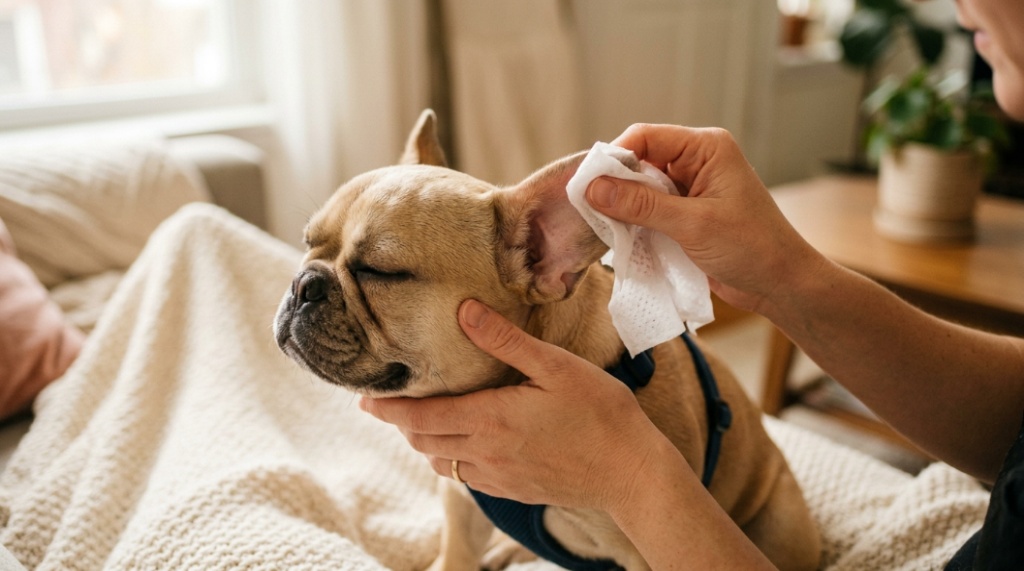
Safe ear cleaning involves wiping only visible areas without pushing debris deeper into the ear canal.
Follow these steps:
- Wash your hands before cleaning.
- Use a fresh alcohol-free wipe.
- Lift the ear flap gently.
- Wipe visible wax and debris.
- Avoid inserting fingers deeply.
- Reward your dog afterward.
Never use cotton swabs deep inside dog ears. This can push wax further inward and damage delicate tissue.
Can You Use Baby Wipes on Dog Ears?
No. Baby wipes are not formulated for canine ear pH levels and may contain preservatives or fragrances unsuitable for dogs.
Even fragrance-free baby wipes may leave residue that irritates sensitive ears over time.
Why Do Some Dogs Get Frequent Ear Irritation?
Recurring ear irritation is often linked to allergies, trapped moisture, poor ventilation, or excessive wax production.
Environmental allergens like pollen, mold, and dust mites frequently trigger inflammation in dogs. Food sensitivities may also contribute to chronic ear issues.
High-risk breeds include:
- Labrador Retrievers
- Bulldogs
- Shih Tzus
- Beagles
- West Highland White Terriers
According to veterinary studies, ear disease remains one of the most common reasons for canine veterinary visits worldwide.
Should You Choose Natural or Veterinary-Formulated Ear Wipes?
Both options can work well, but veterinary-formulated wipes generally provide more reliable testing, ingredient stability, and safety standards.
Natural wipes may appeal to owners seeking plant-based care routines. However, some essential oils marketed as “natural” can irritate sensitive ears.
Veterinary-formulated wipes often undergo:
- Safety testing
- pH balancing
- Microbial stability testing
- Dermatological review
For highly sensitive dogs, simpler formulas usually work best.
What Features Matter Most When Buying Dog Ear Wipes?
The best dog ear wipes prioritize safety, ingredient quality, moisture balance, and ease of use.
Important buying factors include:
- Alcohol-free formula
- Hypoallergenic ingredients
- Soft textured pads
- Large wipe size
- Resealable packaging
- Veterinarian approval
- Fragrance-free formulation
Many premium wipes now use biodegradable materials, which reduce environmental waste while maintaining durability.
Are Fragrance-Free Ear Wipes Better?
Yes. Fragrance-free wipes reduce the likelihood of allergic reactions and skin irritation in sensitive dogs.
Artificial scent ingredients add unnecessary exposure for dogs already prone to inflammation.
Can Ear Wipes Prevent Ear Infections?
Regular ear cleaning helps reduce moisture, wax, and debris buildup, which lowers infection risk in many dogs.
Ear wipes work best as preventive maintenance rather than treatment for advanced infections.
Good prevention habits include:
- Drying ears after swimming
- Routine allergy management
- Regular grooming
- Using hypoallergenic wipes
- Checking ears weekly
Signs requiring veterinary care include:
- Bleeding
- Strong odor
- Yellow discharge
- Persistent scratching
- Swelling
- Pain during touch
What Do Veterinarians Recommend for Sensitive Dog Ears?
Most veterinarians recommend gentle maintenance using alcohol-free ear wipes combined with routine monitoring for early signs of irritation.
Veterinary advice often focuses on:
- Consistent cleaning schedules
- Avoiding harsh ingredients
- Treating allergies early
- Maintaining dry ears
- Monitoring recurring symptoms
Dogs with chronic ear problems may benefit from allergy testing or dietary changes alongside ear-cleaning routines.
Conclusion: Which Dog Ear Wipes Are Best for Sensitive Ears?
Dogs with sensitive ears need gentle cleaning solutions that remove buildup without damaging delicate skin. Alcohol-free ear wipes and hypoallergenic wipes remain the safest and most effective options for most dogs this year because they reduce irritation while supporting healthy ear hygiene.
The best approach combines consistent maintenance, careful ingredient selection, and early attention to warning signs like odor, redness, or scratching. Choosing wipes with soothing ingredients such as aloe vera, oatmeal, and fragrance-free formulas can significantly reduce discomfort for allergy-prone dogs.
If your dog experiences frequent ear irritation, recurring infections, or severe inflammation, consult a veterinarian instead of relying solely on over-the-counter wipes. Early treatment prevents long-term ear damage and improves comfort.
Healthy ears start with simple habits. Check your dog’s ears weekly, keep them dry after swimming, and choose gentle products designed specifically for sensitive skin.
Frequently Asked Questions About Dog Ear Wipes
Are alcohol-free ear wipes better for dogs?
Yes. Alcohol-free ear wipes are generally safer for sensitive ears because they clean without causing dryness, stinging, or irritation.
Can dog ear wipes treat infections?
No. Ear wipes help remove debris and moisture, but serious infections usually require veterinary medication.
How do I know if my dog has sensitive ears?
Signs include redness, scratching, head shaking, odor, flaking skin, and discomfort during cleaning.
Can I clean my dog’s ears every day?
Daily cleaning is usually unnecessary unless recommended by a veterinarian. Over-cleaning may irritate sensitive skin.
Do hypoallergenic wipes help dogs with allergies?
Yes. Hypoallergenic wipes reduce exposure to irritating ingredients and may help dogs prone to allergic reactions.
Should dog ear wipes contain fragrance?
No. Fragrance-free wipes are safer for sensitive dogs because artificial scents commonly trigger irritation.
What is the safest way to clean dog ears?
Use soft alcohol-free wipes to gently clean visible debris without inserting anything deep into the ear canal.