
You just saved up for a fresh deck, only to realize your grip tape is as smooth as a bar of soap. Replacing it shouldn’t cost half the price of the board itself. The reality is that expensive grip tape doesn’t always mean better performance, and cheap tape often feels like sandpaper on sandpaper. The best affordable skateboard grip tape balances durability, grit consistency, and ease of application without wrecking your budget. This guide breaks down exactly what to look for, what to avoid, and how to get maximum performance for every dollar you spend.
What Makes Grip Tape Affordable Without Sacrificing Quality?
The Core Components of Budget-Friendly Grip Tape
Affordable grip tape achieves its low cost by using synthetic materials rather than premium silicon carbide blends. Most budget-friendly tapes use aluminum oxide particles bonded to a paper or plastic backing. While silicon carbide is sharper and lasts longer, aluminum oxide provides adequate grip for street skating, cruising, and park riding at a fraction of the cost. The key is finding a tape that uses a dense, even coat of grit rather than a sparse layer that wears out quickly.
How Thickness Affects Performance and Price
Standard grip tape thickness ranges from 1.0mm to 1.5mm. Budget options often sit around 1.0mm to 1.2mm. Thinner tape is cheaper to produce and easier to cut, but it offers less cushioning against vibrations. Thicker tape (1.5mm) provides better shock absorption and durability but costs slightly more. For most skaters, a 1.2mm grip tape strikes the perfect balance between affordability and performance. Avoid anything below 1.0mm, as it tends to tear at the edges and loses grip quickly.
The Role of Adhesive Quality in Long-Term Value
Many cheap grip tapes fail because their adhesive degrades after a few weeks, causing bubbles or peeling corners. Affordable but well-made tapes use pressure-sensitive adhesives (PSA) that bond strongly to wood and plastic decks. A good adhesive should hold firm even in hot weather. If the tape feels overly sticky before application (almost tacky to the touch), it is likely low-quality adhesive that will fail prematurely. Look for tapes with high-temperature-tolerant adhesives for the best value.
Which Grip Tape Brands Offer the Best Bang for Your Buck?
Mob Grip: The Industry Standard at a Fair Price
Mob Grip is widely considered the benchmark for affordable grip tape. It uses a medium-coarse silicon carbide grit that provides excellent traction without being overly aggressive on shoes. Mob sheets typically cost between $10 and $15, making them accessible for skaters on a budget. Their adhesive is reliable, and the tape resists peeling even after months of use. Mob is available in standard black as well as limited-edition colors and patterns, often at the same price point.
Jessup Grip: The Original Budget Champion
Jessup has been making grip tape since the 1970s and remains a top choice for affordability. Their classic black grip tape is slightly smoother than Mob, which some skaters prefer for flip tricks. Jessup sheets generally cost $8 to $12, making them one of the cheapest reliable options. The downside is that Jessup wears out faster than Mob, especially if you skate on rough asphalt. However, for the price, you can replace it twice before matching the cost of premium brands.
Shake Junt: Affordable Performance for Street Skaters
Shake Junt grip tape delivers a unique blend of coarse and fine grit for a balanced feel. It is slightly more expensive than Jessup (around $12 to $16) but offers better durability. The tape has a distinct, slightly rough texture that grips well without chewing through shoe rubber. Shake Junt also offers pre-cut shapes for specific deck sizes, which can save time and reduce waste. For skaters who prioritize feel over pure longevity, Shake Junt is a solid mid-range affordable pick.
How Does Grip Tape Grit Affect Your Skateboarding Style?
Fine Grit vs. Coarse Grit: Which Should You Choose?
Fine grit (100–150 micron) provides a smoother surface that is easier on shoes and allows for quick foot repositioning during flip tricks. It is ideal for technical street skaters who need precision. Coarse grit (200–400 micron) offers maximum grip and is better for vert skating, bowl riding, and downhill boards where stability matters more than flick speed. Budget tapes often use fine grit because it is cheaper to produce, but coarse grit generally lasts longer before losing its bite.
How Grit Density Impacts Grip Longevity
Grip tape density refers to how closely packed the abrasive particles are on the sheet. High-density tape has more particles per square inch, providing consistent grip even after the top layer wears down. Low-density tape loses grip quickly as particles shed. When shopping for affordable tape, look for sheets that feel heavy and have a uniform texture. You can test density by lightly rubbing your finger across the surface. If it feels patchy or uneven in different areas, the density is likely low.
The Relationship Between Grip and Shoe Wear
Aggressive grip tape can destroy a pair of skate shoes in a month. Budget-friendly tapes often fall on the extreme ends of the spectrum—either too aggressive or too mild. The best affordable grip tape finds a middle ground. Aluminum oxide tapes tend to be less abrasive on rubber than silicon carbide tapes, making them a good choice for skaters who want to preserve shoe life. If you notice black rubber dust accumulating on your grip tape after a session, that is a sign the tape is wearing down your soles.
Can You Use Cheap Grip Tape on Any Skateboard Deck?
Compatibility with Different Deck Materials
Most grip tape works on standard maple wood decks, but budget tapes may struggle with plastic penny boards, bamboo cruisers, or painted decks. The adhesive on cheap tapes often fails to bond well with slick surfaces. If you are gripping a painted or coated deck, you may need to roughen the surface slightly with sandpaper before applying the tape. For most 7-ply maple decks, any affordable grip tape will work effectively as long as you apply it correctly.
Deck Shape and Grip Tape Application Challenges
Old-school shaped decks (like those with wide noses and fishtails) require more precise cutting, and cheap tapes can tear or stretch if you try to cut them carefully. Budget tapes with paper backing tend to tear more easily than those with fabric backing. If you skate a non-standard deck shape, consider spending a few extra dollars on a tape with stronger backing material. Alternatively, you can purchase pre-cut shapes for common deck sizes to avoid cutting issues altogether.
Should You Use Economy Grip Tape on a Premium Deck?
Putting cheap grip tape on a $100 professional deck is not a waste of money. The grip tape does not affect the structural integrity of the board. However, if the budget tape fails (peels, bubbles, or loses grip), you will have to replace it more frequently, which could annoy you. For a premium deck, using a mid-range affordable tape like Mob or Shake Junt is recommended. Ultra-budget generic tapes may not provide the consistent performance that a high-end deck deserves.
How to Apply Affordable Grip Tape Like a Pro
Essential Tools for a Clean Installation
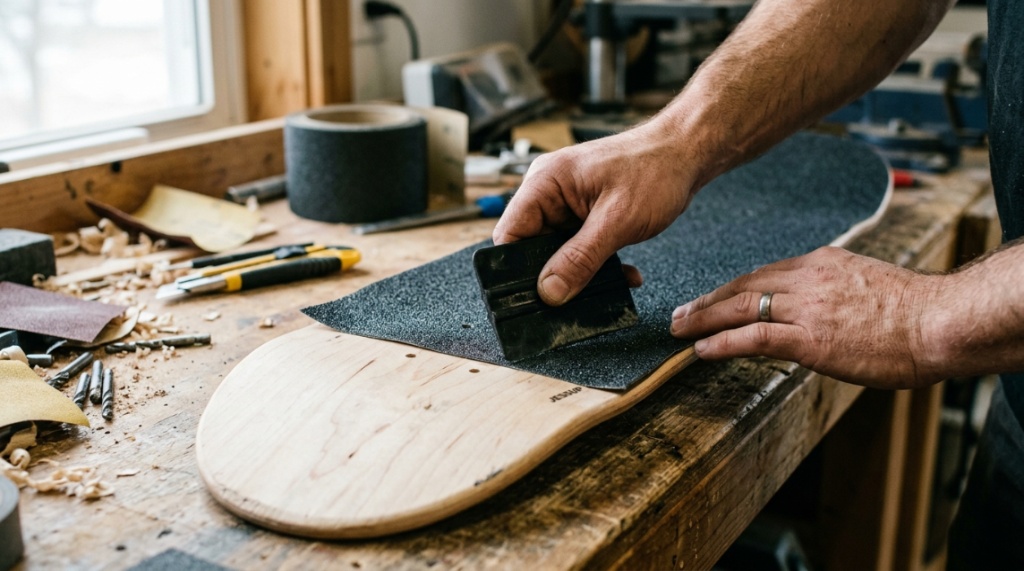
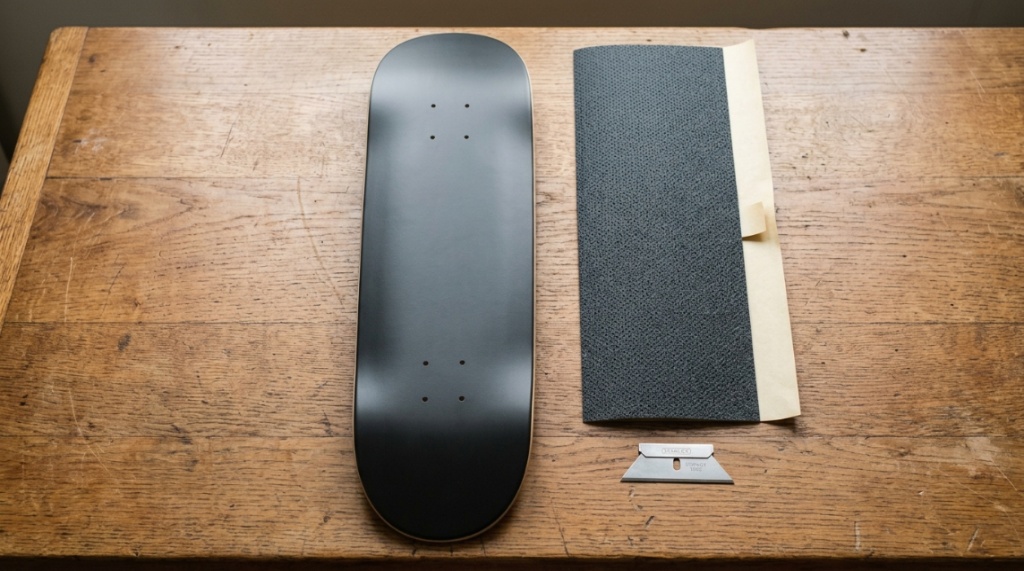
You do not need expensive tools to apply grip tape properly. You need a sharp razor blade or X-Acto knife, a screwdriver or bearing tool for poking holes, and a hard plastic card or old credit card for pressing down the tape. A file or sandpaper for rounding edges is also helpful. Avoid using scissors—they create jagged edges that peel easily. A clean, dust-free workspace is more important than fancy tools when applying budget grip tape.
Step-by-Step Application Process
- Clean your deck: Wipe the surface with a dry cloth to remove dust and oils. For used decks, sand off old grip residue.
- Peel and align: Remove the backing paper and align the tape with the nose and tail of the deck. Place the tape flat without stretching.
- Press from center outward: Use your hand to press the tape from the center toward the edges, eliminating air bubbles as you go.
- Score the edges: Use a screwdriver to run along the edge of the deck, creating a visible line where the tape meets the wood.
- Cut along the score line: Hold the razor at a 45-degree angle and cut along the scored line. Avoid cutting into the wood.
- Trim excess: Cut off the excess tape using steady, controlled strokes. Do not rush this step.
- File edges: Sand the edges lightly to prevent peeling. This step is crucial for budget tapes with weaker adhesives.
- Poke bolt holes: Use a screwdriver or bearing tool to poke holes through the tape where the hardware will mount.
Common Application Mistakes That Ruin Cheap Tape
The most common mistake is applying tape to a dirty or oily deck. Oils prevent proper adhesion, causing bubbles and peeling. Another mistake is cutting the tape off-center, which leaves exposed wood near the nose or tail. Budget tapes have less forgiveness for alignment errors. Finally, many skaters skip using best affordable skateboard grip tape from reputable sources and instead buy generic rolls that lack proper adhesive backing. This leads to frustration and wasted money.
When Should You Replace Your Affordable Grip Tape?
Signs That Grip Tape Has Worn Out
Grip tape should be replaced when the surface feels smooth to the touch, especially in the areas where you place your front foot. If you notice your foot slipping during ollies or kickflips, the grip has worn down. Another sign is visible delamination, where the top abrasive layer separates from the backing. Peeling edges are also a clear indicator that the adhesive has failed. Budget tapes typically last 3 to 6 months with regular skating, depending on how aggressive you are with foot drags and slides, Looking to organize your gear after setting up your board? Check out our guide on how to Garage Clean with YYST Skateboard Wall Mounts to keep your space tidy.
How to Extend the Life of Budget Grip Tape
You can extend the life of affordable grip tape by cleaning it regularly. Use a stiff brush or an old toothbrush to remove dirt and debris from the grit. Dirt fills the abrasive channels, reducing grip. Avoid dragging your feet when stopping, as this wears down the tape unevenly. Also, store your board in a cool, dry place. Heat and humidity weaken adhesives and accelerate peeling. A well-maintained budget tape can last as long as a premium tape if you treat it carefully.
Is Colored or Patterned Grip Tape Worth the Extra Cost?
Durability Differences Between Black and Colored Tape
Standard black grip tape is the most durable because the color is inherent to the abrasive material. Colored and patterned grip tapes often use a layer of paint or dye over the abrasive particles. This paint wears off quickly, especially on contact points. Within a few weeks, colored tape can look faded or patchy. If you want affordable tape that looks good and performs well, stick to black. Colored options are best for skaters who prioritize style and are willing to replace tape more frequently.
Cost Comparison: Plain vs. Patterned Grip Tape
Plain black grip tape is almost always cheaper than patterned or graphic tapes. A basic black sheet from a reputable brand costs $8 to $12, while patterned tapes from brands like CCS or Santa Cruz can cost $15 to $25. The extra cost goes toward printing and design, not performance. For budget-conscious skaters, plain black tape offers the best value. If you want some flair, consider adding grip tape stickers or drawing on the surface with permanent markers instead of paying for pre-printed designs.
How Does Grip Tape Compare to Other Deck Traction Methods?
Grip Tape vs. Grip Wax
Grip wax is a sticky substance applied to the deck surface for traction, often used on penny boards or cruisers. Grip wax is cheaper upfront (around $5 per stick) but provides far less durability and control than grip tape. Wax wears off quickly and can melt in hot weather. For standard skateboards, grip tape remains the superior affordable option. Wax is best for temporary solutions or for skaters who want to avoid the permanent commitment of tape.
Grip Tape vs. Grip Tape Sheets with Peel-and-Stick Backing
Some budget grip tapes use peel-and-stick backing instead of traditional adhesive requiring heat or water activation. Peel-and-stick versions are easier to apply but generally less durable. They are a good choice for beginners who want a quick, no-mess application. However, they often cost slightly more than traditional tapes. For the best affordable skateboard grip tape, traditional adhesive sheets still offer the best combination of price and long-term performance.
Frequently Asked Questions
Can I reuse old grip tape on a new deck?
Reusing grip tape is not recommended. The adhesive loses its bond when peeled, and the grit surface is already worn. You risk bubbles, peeling edges, and reduced traction. It is better to buy a fresh sheet of affordable grip tape.
How do I remove old grip tape without damaging my deck?
Use a hairdryer on medium heat to soften the adhesive, then peel slowly from a corner. For stubborn residue, apply rubbing alcohol or citrus-based cleaner. Avoid using metal scrapers that can gouge the wood.
Does grip tape expire?
Unused grip tape can last years if stored in a cool, dry place away from direct sunlight. The adhesive may dry out or the grit may degrade over time. Check the backing paper for peeling before buying old stock.
Is thicker grip tape better for beginners?
Thicker tape (1.4mm to 1.5mm) provides more cushioning and is easier on the feet, which helps beginners learn balance. It also hides minor imperfections in the deck surface. However, it is slightly heavier and harder to cut.
Can I cut grip tape with scissors?
Scissors produce jagged, uneven edges that increase the risk of peeling. A sharp razor blade or X-Acto knife is strongly recommended for clean cuts. If you must use scissors, cut outside the deck edge and sand the excess off.
What is the cheapest reliable grip tape brand?
Jessup Grip is generally the most affordable, reliable brand, often available for $8 to $10 per sheet. It offers consistent quality and decent durability for the price. Generic unbranded tapes may be cheaper but often lack consistent adhesive and grit.
Does grip tape affect skateboard speed?
Grip tape does not directly affect wheel speed or bearing performance. However, excessive grip tape wear can create friction against your shoes during tricks, slightly reducing pop efficiency. Well-maintained tape has negligible impact on speed.
Conclusion
Choosing the best affordable skateboard grip tape comes down to understanding what you are paying for and what you actually need. Prioritize tapes with dense grit, reliable adhesive, and a balanced thickness around 1.2mm. Brands like Mob, Jessup, and Shake Junt deliver proven performance without breaking the bank. Avoid ultra-cheap generic tapes that lack consistency. Apply your tape carefully, maintain it regularly, and replace it when the grip fades. You do not need to spend $30 on a sheet of tape to skate confidently. Stick with the affordable options that work, and spend the money you save on wheels, bearings, or a fresh deck. Start your search for the right tape today, and feel the difference a good grip makes.